

Parent-teacher meetings are vital opportunities for collaboration, fostering a strong home-school connection to support student success.
These conferences allow for open communication regarding a child’s academic journey and overall well-being, ensuring everyone is aligned.
Discussing key points, like progress assessments and behavioral observations, is crucial for a productive meeting and continued support.
Purpose of the Meeting
The core purpose of a parent-teacher meeting is to establish a collaborative partnership focused on the student’s growth. It’s a dedicated time to discuss academic performance, going beyond just the final grade to understand how progress is assessed.
These meetings aren’t solely about problems; they’re about celebrating strengths and proactively addressing areas needing support. Teachers can elaborate on a child’s educational journey, offering insights into their learning style and potential challenges.
A key aim is to share information – from the teacher about classroom observations, and from parents about the child’s home life, including any factors impacting learning or behavior.
Ultimately, the meeting’s goal is to create a unified approach, ensuring consistent support both at school and at home, and to clarify any unclear points discussed during the conference.
Don’t hesitate to schedule follow-up meetings if needed, and remember to openly discuss any concerns.
Importance of Parent Involvement
Parent involvement is a cornerstone of a child’s educational success, significantly impacting their academic and social-emotional development. Active participation demonstrates to the child that learning is valued both at school and at home.
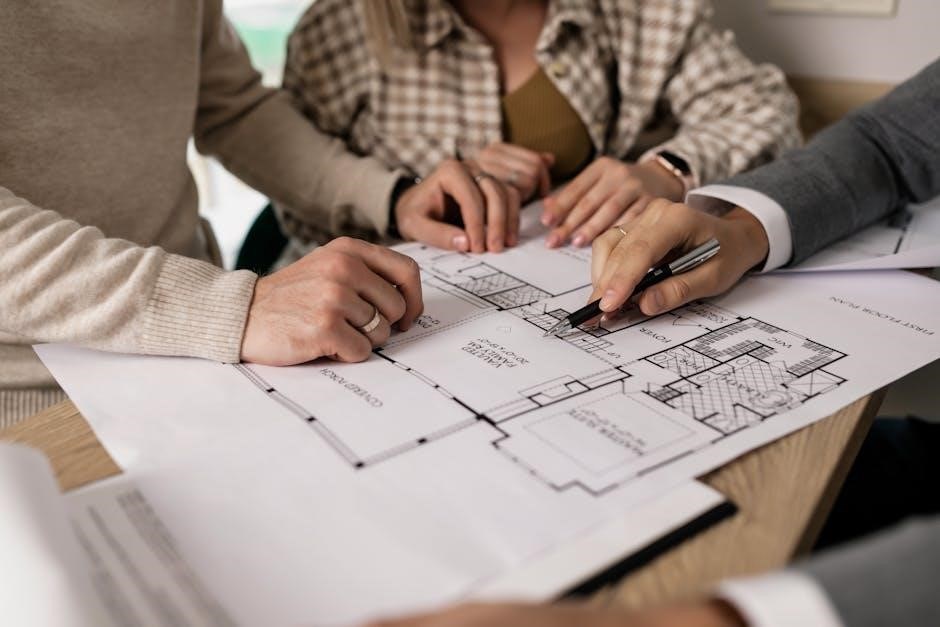
When parents are engaged, teachers gain valuable insights into a student’s personality, home environment, and any potential challenges they might be facing. Sharing information about a child’s life outside of school allows for a more holistic understanding.
Providing teachers with information that makes teaching easier and more efficient is incredibly helpful. This includes discussing any mental or physical health concerns, as schools can offer support.
Consistent communication and follow-up after the initial meeting are vital. Keeping in touch ensures a continued partnership and allows for timely intervention if needed. Embrace being a proactive parent!
Ultimately, a strong home-school connection fosters a supportive learning environment where students can thrive.

Academic Performance Discussion
Focus on grades, progress, strengths, and weaknesses in core subjects, alongside assessment methods beyond traditional grading. Address learning gaps collaboratively for optimal student growth.
Current Grades and Progress
Understanding your child’s current grades is a fundamental starting point for a productive parent-teacher conference. However, it’s crucial to move beyond simply reviewing the letter grade itself.
Discuss the specifics behind the grade – what assignments contributed most, and where did your child excel or struggle? Ask the teacher to elaborate on recent performance trends; is your child consistently performing at this level, or have there been recent improvements or declines?
Inquire about progress towards learning objectives. Grades are a metric, but they don’t always fully capture a student’s growth.

Specifically, ask how progress is assessed beyond tests and grades. Are there classroom participation scores, project-based assessments, or other indicators of understanding?
Don’t hesitate to ask for clarification on anything you don’t fully understand regarding the grading system or your child’s performance. A clear understanding of the current situation is essential for collaborative problem-solving.
Strengths and Weaknesses in Core Subjects
A detailed discussion of your child’s strengths and weaknesses in each core subject is essential. Begin by asking the teacher to highlight areas where your child consistently demonstrates proficiency and enthusiasm. Understanding these strengths provides a foundation for building confidence and fostering a love of learning.
Equally important is a candid conversation about areas needing improvement. Don’t shy away from discussing challenges; the goal is to identify specific skills or concepts where your child is struggling.
Ask for concrete examples of these weaknesses – what specific tasks or types of problems are proving difficult?
Inquire about the teacher’s observations regarding the reasons behind these challenges. Are they related to foundational skills, learning style, or perhaps a lack of engagement?
This focused discussion will help pinpoint areas where targeted support, both at school and at home, can be most effective.
Assessment Methods Beyond Grades
It’s crucial to understand that a final letter grade doesn’t always paint a complete picture of your child’s progress. Inquire about the various assessment methods the teacher utilizes beyond traditional tests and quizzes.
Ask about formative assessments – these are ongoing evaluations, like class participation, homework completion, and in-class assignments, that provide valuable insights into your child’s understanding.
Discuss projects, presentations, and portfolios, if applicable. These alternative assessments can showcase skills and knowledge in a more comprehensive way.
Specifically, ask how progress is assessed for students who struggle with traditional testing formats.
Understanding these diverse methods will give you a more nuanced view of your child’s learning journey and help you identify areas where they may excel or require additional support. Don’t hesitate to ask for specific examples of your child’s work demonstrating these assessments.
Addressing Learning Gaps
Identifying and addressing learning gaps is a key component of a successful parent-teacher conference. Don’t hesitate to proactively discuss any areas where your child is struggling or falling behind.
Ask the teacher to pinpoint specific skills or concepts where your child needs extra support. A clear understanding of these gaps is the first step towards creating a targeted intervention plan.
Inquire about the strategies the teacher is implementing to address these gaps in the classroom. This could include differentiated instruction, small group tutoring, or the use of assistive technology.
Discuss how you can reinforce these concepts at home. Collaboration between home and school is essential for consistent support.
Explore available resources, such as tutoring programs or online learning tools, that can provide additional assistance. Remember to keep the lines of communication open and schedule follow-up meetings to monitor progress.

Behavior and Social-Emotional Development
Discussing your child’s behavior and social interactions is essential. Share insights from home, and learn about classroom observations to support their emotional well-being.
Classroom Behavior Observations
Understanding your child’s behavior within the classroom setting is a cornerstone of a successful parent-teacher conference. Teachers can provide valuable insights into how your child interacts with peers, follows instructions, and manages their emotions during the school day.
Specifically, inquire about patterns – are there certain times of day or specific activities that trigger behavioral challenges? Does your child participate willingly in group activities, or do they tend to be more reserved?

It’s also important to discuss any observed difficulties with focus, impulsivity, or following classroom rules. Don’t hesitate to share any relevant information from home that might contribute to these behaviors, such as recent changes in the family dynamic or stressors your child may be experiencing.
Remember, the goal is to create a collaborative understanding of your child’s behavior, allowing both home and school to implement consistent strategies for positive reinforcement and support.
Open communication is key to addressing any concerns effectively.

Social Interactions with Peers
Exploring your child’s social dynamics is a crucial aspect of the parent-teacher conference. Understanding how they navigate friendships, resolve conflicts, and participate in group settings provides a holistic view of their development.
Specifically, ask the teacher about your child’s ability to initiate and maintain friendships. Do they have a close-knit group of friends, or do they tend to play more independently? Observe if they demonstrate empathy and respect towards their classmates.

Inquire about any observed difficulties with social interactions, such as challenges with sharing, taking turns, or resolving disagreements peacefully. Discuss whether your child is ever excluded or experiences any form of bullying.

Sharing information about your child’s social life outside of school can also be beneficial. Knowing their interests and activities can help the teacher foster positive connections within the classroom.
A collaborative approach to understanding and supporting your child’s social-emotional growth is essential.
Emotional Well-being and Support
Addressing your child’s emotional state is paramount during the parent-teacher conference. A student’s emotional well-being significantly impacts their ability to learn and thrive in a school environment.
Inquire about your child’s overall mood and demeanor in the classroom. Does the teacher observe them as generally happy, engaged, and confident? Or do they appear anxious, withdrawn, or easily frustrated?
It’s vital to discuss any potential stressors or challenges your child may be facing, both at school and at home. Sharing information about family changes, personal difficulties, or significant events can provide valuable context for the teacher.
Ask about the school’s resources for supporting students’ emotional needs, such as counseling services or social-emotional learning programs. Discuss strategies for fostering resilience and coping mechanisms.
Remember to encourage open communication with your child about their feelings and provide a safe space for them to express themselves. A collaborative approach between home and school is key to nurturing their emotional health.
Addressing Behavioral Concerns
Openly discussing any behavioral observations is a crucial aspect of the parent-teacher conference. It’s important to approach this conversation with a collaborative mindset, focusing on understanding the root causes of the behavior and developing effective strategies.
The teacher can share specific examples of behaviors observed in the classroom, such as difficulty following directions, disruptive outbursts, or challenges with peer interactions. Listen attentively and ask clarifying questions to gain a comprehensive understanding.
Share any relevant information about your child’s behavior at home, including patterns, triggers, and successful interventions. This holistic perspective can help identify potential underlying issues.
Discuss potential strategies for addressing the behavior, such as positive reinforcement, clear expectations, or individualized support plans. Explore the possibility of involving the school counselor or other specialists.
Remember that behavioral concerns are often a sign of underlying needs or challenges. A collaborative and supportive approach is essential for helping your child develop positive behaviors and succeed in school.

Home-School Connection
Establishing strong communication between home and school is key for student success.
Discuss preferred methods – email, phone calls, or online portals – to stay informed about progress and address concerns promptly.
Sharing Information About the Child’s Home Life
Openly communicating about your child’s home environment can significantly aid the teacher in understanding their behavior and learning patterns. It’s beneficial to share any significant life events, changes in family dynamics, or routines that might impact their school performance.
Teachers appreciate knowing about factors like a new sibling, a recent move, or any emotional challenges the child is facing. Providing this context allows them to offer appropriate support and adjust their approach accordingly. Remember, the goal is to create a collaborative understanding of the child as a whole person.
Furthermore, informing the teacher about your child’s interests, hobbies, and strengths outside of academics can help them personalize learning experiences and foster a stronger connection. Giving the teacher information that will make teaching your child easier is a proactive step towards a successful partnership. Don’t hesitate to discuss any mental or physical health concerns as well, allowing the school to provide necessary assistance.
Strategies for Supporting Learning at Home
Collaboratively developing strategies to reinforce learning at home is a key outcome of parent-teacher meetings. Discuss specific ways you can support classroom concepts and skills outside of school hours. This might involve establishing a consistent homework routine, creating a dedicated study space, or incorporating educational games and activities.
Ask the teacher for suggestions on resources and tools that can aid your child’s learning, such as online platforms, books, or practice exercises. Understanding the teacher’s methods allows you to complement their efforts effectively.
Keep in touch with the teacher to monitor progress and adjust strategies as needed. Regular communication ensures a consistent approach to learning. Remember to embrace being a parent who actively keeps tabs on their student’s academic journey, checking in on areas where progress is assessed beyond just the final grade. Consistent support at home significantly enhances a child’s overall educational experience.
Communication Preferences Between Parent and Teacher
Establishing clear communication preferences is essential for a successful partnership between parents and teachers. Discuss the best ways to stay connected regarding your child’s progress and any concerns that may arise. Some parents prefer email for detailed updates, while others favor brief phone calls or text messages for quick check-ins.
Determine the frequency of communication that works best for both parties. Regular updates, even if brief, can help prevent small issues from escalating. Don’t hesitate to schedule follow-up meetings if needed to address complex topics or unresolved concerns.
Remember to clarify any unclear points from the conference and proactively seek additional support resources if your child requires them. Open and consistent communication fosters a collaborative environment where everyone is working towards the same goal: your child’s academic and social-emotional well-being.
Follow-Up and Continued Collaboration
Parent-teacher conferences shouldn’t be a one-time event; they are a stepping stone to ongoing collaboration. Discuss how to maintain communication and monitor your child’s progress throughout the year. Establishing a system for regular check-ins – whether through email, phone calls, or brief meetings – ensures everyone stays informed.
Don’t hesitate to reach out to the teacher with questions or concerns that arise between conferences. Keep in touch and proactively address any challenges as they emerge. If issues persist, consider involving school staff like guidance counselors for additional support and resolution.
Remember, a strong home-school partnership is crucial for your child’s success. Continued collaboration, open communication, and a shared commitment to their well-being will create a positive and supportive learning environment.
Specific Questions to Ask the Teacher
Prepare targeted questions to clarify any unclear points discussed during the conference, and inquire about available support resources for your child’s specific needs.
Clarifying Unclear Points from the Conference
Don’t hesitate to seek clarification on anything discussed that wasn’t fully understood during the meeting. It’s perfectly acceptable – and encouraged – to ask the teacher to re-explain concepts or provide further detail.
Perhaps the assessment methods weren’t entirely clear, or you’d like a deeper understanding of how your child’s strengths and weaknesses are being addressed.
Specifically, ask about progress beyond the final grade; how else is your child’s learning evaluated?
If learning gaps were identified, request a more detailed explanation of the strategies being implemented to close those gaps.
Remember, active listening and thoughtful questioning demonstrate your engagement and commitment to your child’s education.
Following up on unclear points ensures a shared understanding and facilitates effective collaboration between home and school.
Inquiring About Additional Support Resources
Proactively ask about available resources that can further support your child’s learning and development. Schools often offer a range of services beyond the classroom, and it’s beneficial to be aware of these options.
Inquire about tutoring programs, specialized learning centers, or counseling services if you feel your child could benefit from extra assistance.
Don’t hesitate to ask about resources for specific learning challenges or behavioral concerns. The teacher can guide you toward appropriate support systems.
Furthermore, explore opportunities for enrichment activities or extracurricular programs that align with your child’s interests and talents.
Remember to ask how to access these resources and what the process for enrollment or participation entails.
Understanding the available support network empowers you to advocate for your child’s needs and ensure they receive the necessary assistance to thrive.