

Can You Change a Car From Manual to Automatic? A Comprehensive Guide
Converting a manual transmission to automatic is possible‚ though complex and costly‚ ranging from ₹80‚000 to ₹1 lakh or $3‚500 to $4‚000‚ potentially impacting resale value.
Understanding the Feasibility of the Conversion
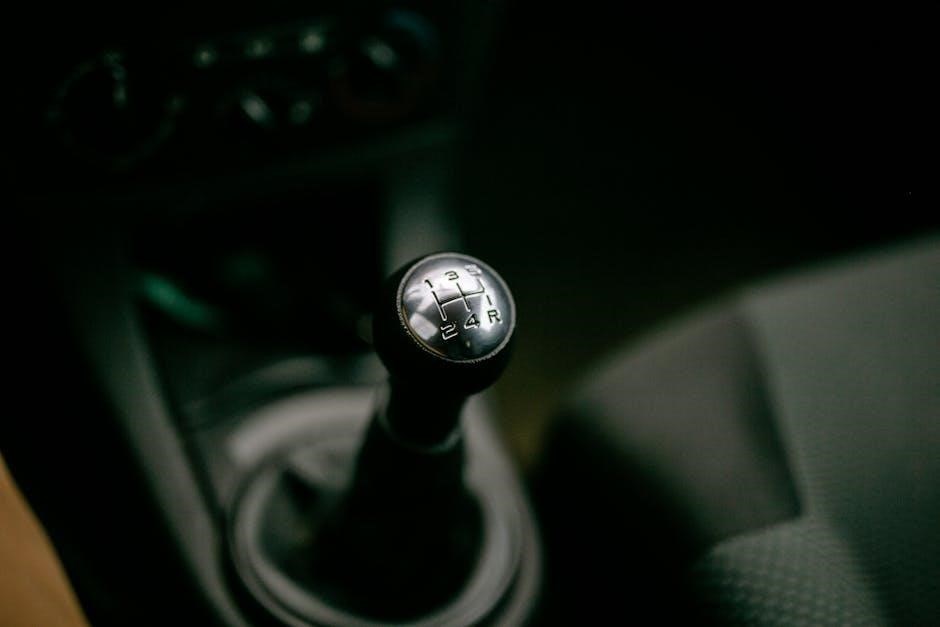
The feasibility of swapping a manual gearbox for an automatic varies significantly by vehicle. While technically achievable on many models‚ the complexity and associated costs can be substantial. Older vehicles‚ particularly those predating extensive electronic engine management‚ often present fewer hurdles. However‚ modern cars require intricate ECU reprogramming and potentially driveshaft modifications.
AMT conversions‚ popular in certain markets like India‚ offer a more affordable route‚ costing between ₹50‚000-₹80‚000. Full automatic conversions are considerably pricier‚ potentially exceeding the vehicle’s value. Ultimately‚ a thorough assessment of your specific car is crucial before proceeding.
The Declining Popularity of Manual Transmissions
Over the past three decades‚ manual transmissions have experienced a significant decline in sales‚ largely due to the increasing preference for the convenience of automatic gearboxes. Drivers increasingly favor the ease of use and reduced driver fatigue offered by automatics‚ especially in congested urban environments.
This shift has led to fewer new vehicles being offered with manual options‚ impacting parts availability and potentially increasing the cost of conversion projects. The diminishing demand also influences resale values‚ making an automatic conversion potentially more appealing to some owners.
Initial Assessment: Vehicle Compatibility
Before embarking on a manual-to-automatic conversion‚ a thorough assessment of vehicle compatibility is crucial. Not all vehicles are suitable candidates‚ and some conversions are significantly more complex than others. Factors include engine type‚ available space for the automatic transmission‚ and the vehicle’s electronic systems.
Older vehicles may require extensive modifications to the wiring harness and engine control unit (ECU)‚ while newer models might present challenges related to integrated systems. Confirming compatibility prevents wasted resources and ensures a successful conversion.
Cost Breakdown: Parts Required for the Conversion
The parts list for a manual-to-automatic conversion is extensive and contributes significantly to the overall cost. A transmission unit itself can range from $1‚000 to $3‚000‚ depending on whether it’s new or used. An electronic control unit (ECU) and a new wiring harness are essential‚ adding to the expense.
Furthermore‚ a shifter assembly‚ transmission fluid‚ cooler lines‚ and potentially a modified driveshaft are necessary. The total parts cost can easily reach several thousand dollars‚ varying based on vehicle specifics.
Transmission Unit Costs (New vs. Used)
The transmission is the most substantial expense in a manual-to-automatic conversion. A new automatic transmission can easily cost between $2‚000 and $5‚000‚ depending on the vehicle make and model‚ and the transmission’s complexity. Opting for a used transmission significantly lowers the initial cost‚ potentially ranging from $500 to $2‚000.
However‚ used transmissions carry the risk of pre-existing wear and tear‚ potentially leading to future repairs. Careful inspection and a warranty are crucial when choosing a used unit.
Electronic Control Unit (ECU) and Wiring Harness
A functional automatic transmission requires a dedicated Electronic Control Unit (ECU) and a complete wiring harness‚ adding $500 to $1‚500 to the conversion cost. Modern vehicles necessitate ECU reprogramming to integrate seamlessly with the new transmission‚ potentially incurring additional labor charges.
The wiring harness connects the ECU to the transmission‚ sensors‚ and other vehicle systems. Sourcing a compatible harness‚ or modifying the existing one‚ is critical for proper operation and avoiding electrical issues.
Shifter Assembly and Related Components
Replacing the manual shifter assembly with an automatic one involves more than just the lever itself. Expect to budget between $200 and $800 for a complete shifter assembly‚ including the console trim and associated cables or linkages.
Additional components‚ like a new transmission range selector and potentially a modified steering column setup‚ may be necessary depending on the vehicle. Ensuring compatibility and proper function of these parts is crucial for a safe and reliable conversion.
Fluid Dynamics: Transmission Fluid and Cooler Lines
Automatic transmissions require specialized transmission fluid‚ differing significantly from manual gearbox lubricants. Budget approximately $100-$300 for the correct fluid type and quantity. Crucially‚ automatic transmissions generate substantial heat‚ necessitating a transmission cooler.
Installing cooler lines – potentially requiring custom fabrication – adds $200-$500 to the cost. Proper fluid circulation and cooling are vital to prevent overheating and ensure the longevity of the new automatic transmission. Ignoring this aspect risks catastrophic failure.
Labor Costs: Professional Installation vs. DIY
Professional installation is highly recommended due to the complexity of this conversion. Labor costs typically range from $800 to $2‚000+‚ depending on the vehicle and shop rates. A DIY approach‚ while saving on labor‚ demands significant mechanical expertise and specialized tools.
Attempting a DIY conversion without sufficient knowledge risks damaging components and voiding warranties. Expect 20-40+ hours of work‚ even for experienced mechanics. Professional shops offer expertise and can identify potential issues during installation.
Complexity of the Installation Process
The conversion isn’t simply swapping parts; it’s a multifaceted undertaking. It requires removing the existing manual transmission‚ clutch‚ flywheel‚ and related components. Then‚ installing the automatic transmission‚ torque converter‚ shifter assembly‚ and a new driveshaft‚ potentially needing modification.
ECU reprogramming is often crucial for compatibility. Wiring harnesses must be adapted or replaced. Expect challenges aligning components and ensuring proper fluid lines. This process demands precision and a thorough understanding of automotive systems.
Potential for Additional Repairs During Conversion
During the conversion‚ unforeseen issues frequently arise. Aging components‚ like worn engine mounts or brittle wiring‚ may become apparent upon disassembly. Rust or corrosion could necessitate additional fabrication or part replacement. The driveshaft might require balancing or shortening‚ adding to the cost.
Furthermore‚ the ECU reprogramming process can sometimes reveal underlying engine problems. Unexpected transmission cooler line leaks or issues with the shifter linkage are also common. Budgeting for contingencies is vital.
Total Estimated Cost: A Realistic Range
A comprehensive manual-to-automatic conversion typically falls between $1‚000 and $3‚000 for the transmission alone‚ escalating with complexity. Automated Manual Transmission (AMT) kits can range from $50‚000 to $80‚000. A fully fitted conversion often costs $15‚000 to $30‚000.
These figures exclude potential unforeseen repairs. Labor costs significantly vary‚ influenced by location and mechanic expertise. Expect a total investment potentially exceeding the vehicle’s value‚ making careful consideration crucial.
Cost Variations Based on Vehicle Make and Model
Conversion costs are heavily influenced by the vehicle’s make and model. Simpler conversions on popular models like Maruti‚ Tata‚ and Renault‚ utilizing AMT kits‚ may fall within the $50‚000 ⸺ $80‚000 range. However‚ older or less common vehicles often require extensive customization.
BMW E30 conversions‚ for example‚ can cost around $3‚500 to $4‚000 including labor. Luxury or high-performance vehicles generally incur higher expenses due to specialized parts and increased labor complexity.
Geographical Differences in Labor Rates
Labor costs significantly vary depending on location. Metropolitan areas and regions with a higher cost of living typically command higher hourly rates for automotive work. Expect to pay more for the conversion in cities compared to rural areas.
Specialized transmission shops often charge premium rates due to their expertise. General repair shops might offer lower labor costs‚ but ensure they have experience with complex transmission swaps. Researching local mechanic rates is crucial for accurate budgeting.
The Automated Manual Transmission (AMT) Option

An Automated Manual Transmission (AMT) presents a less expensive conversion route‚ particularly popular in vehicles like Maruti‚ Tata‚ and Renault models. AMT conversion kits generally range from ₹50‚000 to ₹80‚000 (approximately $600 ー $1000 USD).
However‚ AMTs offer a different driving experience than a traditional automatic. While providing convenience‚ they can sometimes exhibit jerky shifts. Weigh the cost savings against the potential compromise in driving smoothness when considering this option.
AMT Conversion Kits: Availability and Pricing
Availability of AMT conversion kits varies significantly by vehicle make and model. While readily found for popular cars like those from Maruti‚ Tata‚ and Renault‚ options for other brands may be limited or require custom fabrication.
Pricing typically falls between ₹50‚000 and ₹80‚000 (roughly $600-$1000 USD)‚ but this excludes installation costs. Ensure the kit includes all necessary components – actuators‚ control modules‚ and wiring harnesses – to avoid unexpected expenses during the conversion process.
Advantages and Disadvantages of AMT Systems
AMT systems offer a more affordable automatic driving experience compared to full conversions‚ retaining some of the original manual’s efficiency. However‚ they often exhibit less smooth gear changes than traditional automatics‚ sometimes described as ‘jerky’.
Advantages include lower cost and potentially improved fuel economy. Disadvantages encompass a less refined driving feel and potential reliability concerns compared to conventional automatic transmissions. Consider your driving preferences and budget when evaluating this option.
Full Automatic Transmission Conversion: A More Involved Process

A complete conversion to a full automatic transmission is significantly more complex than an AMT installation. It necessitates substantial modifications‚ including ECU reprogramming‚ driveshaft adjustments‚ and potentially axle replacements to ensure compatibility.
This process demands expertise and often involves higher costs‚ ranging from $1‚000 to $3‚000 for the transmission alone‚ plus extensive labor. While offering a smoother‚ more conventional automatic experience‚ it’s a considerable undertaking with potential for unforeseen complications.
Potential Challenges and Complications
Numerous challenges can arise during a manual-to-automatic conversion. Engine Control Unit (ECU) reprogramming is often essential for proper function‚ and driveshaft or axle modifications may be required for compatibility. Pedal box adjustments are also frequently needed.
Unexpected issues‚ like discovering additional repairs during the conversion‚ can inflate costs. Compatibility problems with older vehicles‚ or those with complex electronics‚ are common. Thorough assessment and skilled labor are crucial to mitigate these potential complications.
Engine Control Unit (ECU) Reprogramming
ECU reprogramming is frequently necessary when converting from manual to automatic‚ as the engine’s computer needs to adapt to the new transmission’s control signals. The original programming is designed for manual operation‚ lacking the algorithms for automatic gear selection and torque management.
Without proper reprogramming‚ the engine may run inefficiently‚ experience performance issues‚ or even damage the new transmission. Specialized tools and expertise are required to safely and effectively modify the ECU’s software‚ ensuring seamless integration.
Driveshaft and Axle Modifications
Often‚ a manual and automatic transmission have differing output shaft lengths‚ necessitating driveshaft adjustments or a complete replacement. Axle compatibility must also be verified; some automatic conversions require different axle ratios to optimize performance and fuel efficiency.
Incorrect driveshaft length can cause vibrations and premature wear on the transmission and differential. Modifications might involve shortening or lengthening the driveshaft‚ or sourcing axles specifically designed for automatic transmission applications‚ adding to the overall conversion cost.
Pedal Box Adjustments and Modifications
Removing the clutch pedal is a primary step‚ but simply blanking the space isn’t sufficient. The brake pedal may require relocation or modification to accommodate the automatic’s shift selector mechanism and ensure comfortable operation.
Adjustments to the pedal box are crucial for proper ergonomics and safety. Some conversions necessitate a completely new pedal box assembly. Ensuring correct pedal positioning prevents accidental engagement of the parking brake or interference with other controls‚ contributing to a safe driving experience.
Legal and Insurance Implications
Modifying a vehicle’s transmission can trigger legal requirements regarding vehicle registration and inspection. Many jurisdictions mandate an inspection to verify the conversion meets safety standards and emissions regulations.
Inform your insurance provider immediately after the conversion. Failure to do so could invalidate your coverage in the event of an accident. Insurance premiums may increase due to the modification‚ reflecting the altered vehicle characteristics and potential repair costs. Compliance with local laws is essential.
Vehicle Registration and Inspection Requirements
Post-conversion‚ vehicle registration often necessitates an inspection to confirm adherence to local safety and emissions standards. Modifications like a transmission swap may require updated documentation reflecting the change.
Inspectors verify the installation’s correctness‚ ensuring components are securely mounted and function properly. Some regions demand an engineer’s certification validating the modification’s roadworthiness. Failing inspection can lead to registration denial or require costly rework to achieve compliance with legal regulations.
Insurance Coverage After the Conversion
Informing your insurance provider about the manual-to-automatic conversion is crucial. Failure to do so could invalidate your policy in the event of an accident. Insurers assess modifications‚ potentially adjusting premiums based on perceived risk changes.
A converted vehicle might be categorized differently‚ impacting coverage levels. Some insurers may require a vehicle appraisal to accurately determine its value post-modification. Documenting the conversion with receipts and inspection reports aids the claims process‚ ensuring smooth coverage.
Is the Conversion Worth It? Weighing the Pros and Cons
The conversion offers enhanced driving comfort‚ particularly in congested traffic‚ and convenience for drivers preferring automatic transmissions. However‚ the substantial cost – potentially exceeding the vehicle’s value – is a significant drawback. Resale value may not fully recoup the investment.
Consider if the benefits outweigh the financial implications. While simplifying driving‚ the conversion can introduce complexities and potential reliability issues. Weigh personal driving needs against the economic realities before proceeding.
Enhanced Driving Comfort and Convenience
Switching to an automatic transmission dramatically simplifies the driving experience‚ eliminating the need for constant clutch engagement and gear shifting. This is especially beneficial in stop-and-go traffic‚ reducing driver fatigue and stress. Automatic transmissions offer a smoother‚ more relaxed ride‚ appealing to drivers prioritizing convenience.
For those unfamiliar or less comfortable with manual transmissions‚ the conversion provides accessibility and ease of use. It broadens the pool of potential drivers‚ enhancing the vehicle’s practicality for various users.
Potential Impact on Vehicle Resale Value
Converting a manual car to automatic can be a double-edged sword regarding resale value. While some buyers actively seek automatics for convenience‚ others‚ particularly enthusiasts‚ may prefer the original manual configuration. A professionally done conversion minimizes negative impact‚ but it rarely adds value.
The conversion cost is unlikely to be fully recouped upon resale. Potential buyers might question the quality of the work or prefer a factory-built automatic. Thorough documentation of the conversion is crucial to reassure prospective purchasers.
Alternatives to Conversion: Exploring Other Options
Considering the significant cost and complexity of a manual-to-automatic conversion‚ exploring alternatives is prudent. Trading in your current manual vehicle for an automatic model is often the most financially sensible option‚ avoiding conversion expenses and potential complications.
Alternatively‚ purchasing a separate vehicle already equipped with an automatic transmission provides a straightforward solution. This allows you to retain your manual car for enjoyment while benefiting from the convenience of an automatic for daily driving. Both options offer predictable costs and avoid modification risks.
Trading in Your Manual Car for an Automatic
Trading in presents a streamlined path to automatic convenience‚ sidestepping the substantial costs and potential issues of a conversion. The value received from your manual vehicle directly offsets the price of a comparable automatic model.
This approach eliminates labor charges‚ parts procurement‚ and the risk of unforeseen complications during the conversion process. Dealers handle all logistics‚ offering a hassle-free experience. While you may experience a slight depreciation due to the declining popularity of manuals‚ it’s often less than conversion expenses.
Buying a Second Vehicle with an Automatic Transmission
Acquiring a second vehicle equipped with an automatic transmission offers a practical alternative to a potentially expensive and complex conversion. This allows you to retain your manual car for driving enjoyment while gaining the convenience of an automatic for daily commutes or other needs.
This strategy avoids the risks associated with modifying your existing vehicle‚ such as potential warranty issues or unforeseen mechanical problems. It also provides flexibility‚ allowing you to choose a vehicle perfectly suited to your automatic driving preferences and budget.
Finding Qualified Mechanics for the Conversion
Successfully converting a manual transmission requires specialized expertise. Seek out transmission shops with proven experience in these complex modifications‚ verifying their qualifications and customer reviews. General automotive repair shops may offer the service‚ but confirm their specific expertise with automatic transmission installations.
Thoroughly vet potential mechanics‚ discussing the intricacies of your vehicle’s conversion and obtaining detailed quotes. Prioritize shops demonstrating a clear understanding of the electronic and mechanical challenges involved‚ ensuring a reliable and safe outcome.
Specialized Transmission Shops
Dedicated transmission shops possess the focused expertise crucial for a successful manual-to-automatic conversion. These establishments typically employ technicians specifically trained in transmission rebuilds‚ diagnostics‚ and installations‚ offering a deeper understanding of the intricacies involved.
Look for shops advertising automatic transmission conversions or specializing in complex drivetrain work. Verify their experience with your vehicle’s make and model‚ and inquire about prior similar projects. A specialized shop is more likely to have the necessary tools and knowledge for a seamless process.
General Automotive Repair Shops with Expertise
While specialized shops are ideal‚ some general automotive repair facilities possess the skills for a manual-to-automatic conversion. These shops often have experienced mechanics capable of handling complex repairs‚ including drivetrain work. However‚ thorough vetting is essential.
Confirm the shop has technicians specifically proficient in transmission replacements and electronic control system integration. Ask about their experience with similar conversions and request references. Ensure they have the diagnostic tools and software required for ECU reprogramming‚ a critical step in the process.
Warranty Considerations After the Conversion
Post-conversion‚ understanding warranty coverage is crucial. Typically‚ a conversion includes parts and labor warranties‚ often around 90 days for labor‚ as seen with some E30 conversions. Parts warranties vary significantly depending on whether new or used components are utilized.
Clarify the scope of both warranties – what’s covered‚ what’s excluded‚ and the process for making a claim. Manufacturer warranties generally won’t apply to modified drivetrains‚ so rely on the installer’s guarantee. Document everything meticulously.
Parts Warranty
The parts warranty is a critical aspect of the manual-to-automatic conversion. New transmission components usually come with a manufacturer’s warranty‚ potentially ranging from one to three years‚ covering defects in materials or workmanship. However‚ used parts offer limited or no warranty coverage.
Verify the warranty terms for each component – transmission‚ ECU‚ shifter‚ and fluid lines. Understand what voids the warranty‚ such as improper installation or misuse. A reputable installer will source parts with adequate warranty protection‚ providing peace of mind.
Labor Warranty
The labor warranty is equally vital‚ protecting against installation errors or unforeseen issues arising from the conversion. A standard labor warranty typically covers 90 days‚ as seen with some E30 conversions‚ but can extend to a year or more with specialized shops.
Clarify what the labor warranty encompasses – does it cover diagnostics‚ re-installation‚ or consequential damages? Ensure the warranty is transferable if you sell the vehicle. A comprehensive warranty demonstrates the mechanic’s confidence in their work and provides valuable protection.