
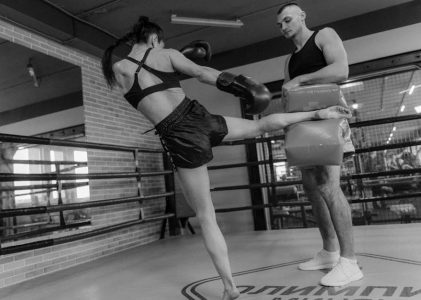
This comprehensive 6-week boxing program, available as a downloadable PDF, is designed for rapid improvement. It’s ideal for white-collar boxers or intermediates seeking structured training, focusing on strength, cardio, and technique.
Program Overview & Goals
This 6-week boxing training program is meticulously structured to maximize your progress in a short timeframe. Designed for individuals preparing for a white-collar boxing match or those seeking an intermediate-level challenge, the program blends strength and conditioning with technical skill development. The primary goal is to build a solid foundation of fitness, enhance punching power, and improve overall boxing technique.
Each week progressively increases in intensity, incorporating varied workouts including weight training, cardiovascular exercises like interval skipping and roadwork, and focused punching drills. The downloadable PDF provides a detailed schedule, ensuring you stay on track. Success is measured by improved endurance, strength gains, and refined boxing skills.
Who is This Program For? (White Collar Boxers & Intermediates)
This 6-week boxing training program is specifically tailored for two key groups: white-collar boxers and intermediate-level boxing enthusiasts. If you’ve signed up for a charity boxing match and need a focused, intensive plan, this program delivers. It’s designed to rapidly improve your fitness and skills in a limited timeframe.
Intermediate boxers looking to elevate their training will also benefit greatly. The program builds upon existing skills, adding power, technique, and endurance. Beginners should complete a 12-week introductory program first to establish a base level of fitness. The downloadable PDF assumes a moderate level of existing fitness and boxing knowledge.

Week 1-2: Building a Foundation
The initial phase focuses on establishing core strength and cardiovascular fitness. Daily warm-ups, leg/core strength training, and interval skipping are key components.
Warm-up Routine (Daily)
A consistent daily warm-up is crucial for injury prevention and performance enhancement. Begin with 5 minutes of light cardio, such as jogging or jumping jacks, to elevate your heart rate. Follow this with dynamic stretching, including arm circles, leg swings, and torso twists – approximately 10 minutes.
Focus on movements that mimic boxing actions. Incorporate shadow boxing for 3 rounds of 2 minutes each, concentrating on proper form and footwork. Include wrist rotations and shoulder stretches to improve flexibility and range of motion. This prepares your muscles and joints for the more intense training ahead, ensuring optimal performance and minimizing the risk of strains or sprains.
Remember to listen to your body and adjust the intensity as needed.
Strength Training ⸺ Legs & Core
Developing lower body and core strength is fundamental for boxing power and stability. Perform squats – 4 sets of 15-20 repetitions – focusing on proper form to avoid injury. Incorporate leg presses, also 4 sets of 15-20 reps, to build quad strength. Lunges, 3 sets of 12 reps per leg, enhance balance and coordination.
Core work is equally vital. Include planks (3 sets, holding for 30-60 seconds), Russian twists (3 sets of 20 reps), and leg raises (3 sets of 15-20 reps). These exercises strengthen the muscles that transfer power from your legs to your punches. Prioritize controlled movements over speed to maximize effectiveness and prevent strain.
Cardiovascular Conditioning ⸺ Interval Skipping
Skipping is a cornerstone of boxing conditioning, enhancing footwork, coordination, and endurance. Implement interval training for optimal results. Begin with a warm-up of 3 minutes of regular skipping, maintaining a consistent rhythm. Then, alternate between 15 seconds of high-intensity, speed skipping – focusing on quick footwork and high knees – and a 30-second recovery period of regular skipping.
Repeat this interval pattern for 10-15 rounds. Incorporate figure-8 movements with the rope to further challenge coordination. Cool down with another 3 minutes of regular skipping. This routine builds cardiovascular fitness and simulates the stop-start nature of boxing rounds.

Week 3-4: Increasing Intensity
Weeks 3 and 4 demand greater effort, building upon the foundation. Focus shifts to more challenging drills, heavier bag work, and incorporating high-intensity interval training (HIIT).
Strength Training ─ Upper Body & Core
During weeks 3 and 4, prioritize upper body and core strength to enhance punching power and defensive stability. Incorporate exercises like push-ups, aiming for 4 sets of as many repetitions as possible (AMRAP), and pull-ups, if accessible, also 4 sets AMRAP. Bench press, utilizing appropriate weight, should be performed for 4 sets of 8-12 repetitions.
Core work is crucial; include planks (holding for 30-60 seconds, 3-4 sets), Russian twists with or without weight (3 sets of 15-20 repetitions per side), and bicycle crunches (3 sets of 20-25 repetitions). Remember proper form is paramount to prevent injury and maximize effectiveness. This focused strength training will directly translate to improved performance in the ring.
Punching Technique Drills (Bag Work Focus)
Weeks 3 and 4 emphasize refining punching technique through dedicated bag work. Begin with shadow boxing for 3 rounds of 3 minutes, focusing on form and footwork. Transition to the heavy bag, working combinations – jabs, crosses, hooks, and uppercuts – for 5-6 rounds. Prioritize proper rotation, snap, and maintaining a tight guard.
Drill specific techniques: double jabs, jab-cross combinations, and hook-uppercut sequences. Incorporate footwork drills between rounds, such as pivoting and shuffling. Focus on speed, accuracy, and power with each punch. Remember to breathe correctly and maintain a consistent rhythm throughout each session.
Cardiovascular Conditioning ⸺ Roadwork & HIIT
During weeks 3-4, elevate your cardiovascular fitness with a blend of roadwork and High-Intensity Interval Training (HIIT). Roadwork should consist of 3-4 runs per week, varying distances from 3-5 miles at a moderate pace. Incorporate interval sprints during these runs to build speed and endurance.
Complement roadwork with 2-3 HIIT sessions weekly. Example HIIT workouts include 15 seconds of high-intensity skipping followed by 45 seconds of recovery, repeated for 10-15 rounds. Other options are burpees, mountain climbers, and jump squats. These sessions improve anaerobic capacity, crucial for boxing rounds.

Week 5-6: Peak Performance & Sparring
These final weeks focus on refining skills and building power. Controlled sparring sessions, advanced combinations, and power-focused strength training will maximize your readiness.
Advanced Punching Combinations
During weeks five and six, the focus shifts towards integrating learned techniques into fluid, powerful combinations. This isn’t simply about throwing punches faster; it’s about strategic sequencing for maximum impact and defensive vulnerability exploitation.
Drills will incorporate variations like the jab-cross-hook, cross-hook-uppercut, and more complex sequences designed to overwhelm opponents. Emphasis will be placed on pivoting, footwork, and maintaining balance throughout each combination. Shadow boxing will be crucial for refining technique and muscle memory.
Bag work will then translate these combinations into practical application, focusing on power generation and accuracy. Partner drills, under careful supervision, will allow for reactive training and timing refinement. The goal is to build a repertoire of effective combinations ready for controlled sparring.
Sparring Sessions (Controlled Environment)
Weeks five and six introduce controlled sparring sessions, a critical step in applying learned skills. These sessions are not about winning, but about tactical implementation and gaining ring experience. Safety is paramount; headgear and mouthguards are mandatory, and sessions are closely monitored by a qualified instructor.
Initial rounds focus on technique – practicing combinations, footwork, and defensive maneuvers against a live opponent. Intensity gradually increases as confidence and skill develop. Emphasis is placed on controlled aggression, recognizing openings, and reacting to opponent’s movements.
Post-sparring debriefs analyze performance, identifying areas for improvement. This provides valuable feedback and reinforces learning. Sparring builds mental toughness and prepares boxers for the pressures of a competitive environment.
Strength & Conditioning ─ Power Development
During weeks five and six, the focus shifts to power development, maximizing punch force and explosiveness. This involves incorporating plyometric exercises like jump squats and box jumps to enhance leg power, crucial for generating knockout potential.
Weight training emphasizes compound movements – squats, leg press, and upper body exercises – performed with lower repetitions and increased weight. This builds strength and translates to greater punching power. Core work remains vital, providing a stable base for powerful rotations.
Interval training continues, but with shorter recovery periods, pushing anaerobic capacity. This builds endurance for delivering powerful punches throughout a fight.
Nutrition for Boxing Training
Proper nutrition is paramount for success. A balanced diet with adequate protein, carbohydrates, and healthy fats fuels intense training and supports recovery, optimizing performance.
Macronutrient Breakdown (Protein, Carbs, Fats)
Fueling your body correctly is crucial during this 6-week boxing program. Prioritize protein intake – approximately 1;6 to 2.2 grams per kilogram of body weight – to support muscle repair and growth after strenuous workouts. Carbohydrates should comprise 45-55% of your daily calories, providing sustained energy for training sessions and replenishing glycogen stores.
Focus on complex carbohydrates like whole grains, fruits, and vegetables. Healthy fats, constituting 20-30% of your diet, are vital for hormone production and overall health; include sources like avocados, nuts, and olive oil. Strategic macronutrient timing around workouts is also key – consume carbohydrates and protein post-training to optimize recovery.
Hydration Strategies
Maintaining optimal hydration is paramount throughout this intensive 6-week boxing training program. Dehydration significantly impacts performance, increasing fatigue and hindering recovery. Aim to drink water consistently throughout the day, not just during workouts. A general guideline is to consume at least 3-4 liters of water daily, adjusting based on training intensity and climate.
Electrolyte balance is also critical, especially with heavy sweating. Consider incorporating electrolyte-rich drinks or foods to replenish lost sodium, potassium, and magnesium. Monitor your urine color – pale yellow indicates adequate hydration, while dark yellow suggests dehydration. Prioritize hydration before, during, and after each training session.
Recovery & Injury Prevention
Prioritize rest and recovery to maximize gains and minimize injury risk during this 6-week boxing program. Adequate sleep and targeted stretching are essential components.
Importance of Sleep
Sleep is absolutely critical for recovery and adaptation during this intense 6-week boxing training program. It’s not merely downtime; it’s when your body repairs muscle tissue damaged during workouts, replenishes energy stores, and consolidates learned skills. Aim for 7-9 hours of quality sleep each night.

Insufficient sleep compromises your immune system, increasing susceptibility to illness and hindering performance. It also negatively impacts cognitive function, affecting your ability to learn and execute boxing techniques effectively. Prioritize a consistent sleep schedule, create a relaxing bedtime routine, and ensure a dark, quiet, and cool sleep environment. Don’t underestimate the power of restorative sleep – it’s a cornerstone of success!
Stretching & Mobility Exercises
Integrating regular stretching and mobility work is vital throughout this 6-week boxing program to prevent injuries and enhance performance. Dynamic stretching before workouts prepares muscles for activity, increasing range of motion and blood flow. Static stretching post-workout aids recovery, reducing muscle soreness and improving flexibility.
Focus on key areas like shoulders, hips, hamstrings, and ankles. Incorporate exercises like arm circles, leg swings, torso twists, and deep squats. Mobility drills, such as foam rolling, can address muscle imbalances and improve joint health. Consistent stretching and mobility work will contribute significantly to your overall progress and longevity in the sport.

Weight Training Exercises Detailed
This section provides detailed instructions for key exercises like squats, leg press, push-ups, pull-ups, and bench press, crucial for building boxing-specific strength and power.
Squats & Leg Press Technique
Proper form is paramount for both squats and leg press exercises. For squats, maintain a straight back, chest up, and descend as if sitting in a chair, keeping your weight on your heels. Aim for 4 sets of 15-20 repetitions.
The leg press allows for heavier loads with reduced spinal stress. Ensure your feet are shoulder-width apart, and control the weight throughout the movement, avoiding locking your knees at the top. Also perform 4 sets, mirroring the squat repetition range.
These exercises build lower body strength, essential for generating punching power and maintaining stability in the ring. Focus on controlled movements and full range of motion for optimal results.
Upper Body Exercises (Push-ups, Pull-ups, Bench Press)
Developing upper body strength is crucial for delivering powerful punches and maintaining guard. Push-ups build chest, shoulder, and tricep strength; aim for 3-4 sets to failure. Pull-ups enhance back and bicep strength, improving punching mechanics – perform as many reps as possible across 3-4 sets.
The bench press, a compound exercise, builds overall upper body power. Focus on controlled descent and explosive ascent, utilizing a weight that challenges you for 4 sets of 8-12 repetitions.
Prioritize proper form to prevent injuries and maximize effectiveness. These exercises, combined, will significantly enhance your boxing performance.

Cardio Training Variations
Boost endurance with diverse cardio! Incorporate roadwork, varying distance and pace, alongside High-Intensity Interval Training (HIIT) for optimal conditioning and fat loss.
Roadwork Distance & Pace
Roadwork is a cornerstone of boxing conditioning, building crucial cardiovascular endurance. Initially, focus on consistent, moderate-paced runs. Week 1-2 should involve 3-4 runs per week, starting with 30-minute sessions at a conversational pace. Gradually increase distance by 10% each week, aiming for 45-60 minute runs by week 4.
Introduce interval training into your roadwork. Alternate between high-intensity sprints (30-60 seconds) and recovery jogs (60-90 seconds). This mimics the stop-start nature of boxing rounds. Vary the terrain – hills add resistance and build leg strength. Monitor your heart rate to ensure you’re working within the appropriate zones. Proper pacing prevents burnout and injury, maximizing your training benefits.
HIIT Workout Examples
High-Intensity Interval Training (HIIT) is vital for boxing-specific endurance and power. A sample workout: 8 rounds of 30 seconds maximum effort burpees, followed by 30 seconds rest. Another effective HIIT session: 10 rounds of 40 seconds shadow boxing (fast combinations), with 20 seconds recovery.
Incorporate jump rope intervals – 20 seconds fast skipping, 10 seconds rest, repeated 15 times. Combine bodyweight exercises like mountain climbers, push-ups, and squat jumps into a circuit, performing each for 30 seconds with minimal rest between exercises. Remember to warm up before each HIIT session and cool down afterward. Adjust intensity based on your fitness level.

Program Download & Resources
Access the complete 6-week boxing training program as a convenient PDF download. Explore additional training tools and websites for supplementary exercises and guidance.
Accessing the 6-Week Boxing Training PDF
Ready to begin your boxing journey? Obtaining the 6-week training program PDF is straightforward. Several online resources, like BlackBeltWhiteHat.com, offer this valuable tool for download. This PDF contains a meticulously structured plan, designed to elevate your boxing skills within a concise timeframe.
The program is particularly beneficial for individuals preparing for white-collar boxing matches or those seeking an intermediate-level training regimen. Remember, consistent dedication is key to maximizing results. The PDF details daily workouts, encompassing strength training, cardiovascular conditioning, and technique drills.
Ensure you have a PDF reader installed on your device to access the document seamlessly. Download it today and commit to transforming your fitness and boxing prowess!
Additional Training Tools & Websites
To supplement your 6-week boxing program, explore valuable online resources. Muscle and Strength provides intermediate boxing/MMA workouts, offering a 6-day routine blending weight training and intense cardio. ThisIsWhyImFit features dynamic HIIT workout plans for overall fitness enhancement.
BlackBeltWhiteHat.com, the source of the core PDF program, also hosts a fitness and MMA blog with related articles and insights. Consider utilizing fitness trackers to monitor progress and maintain motivation. Don’t underestimate the power of instructional videos demonstrating proper technique.
Remember to prioritize safety and consult with a fitness professional if needed. These tools, combined with dedication, will amplify your training experience!