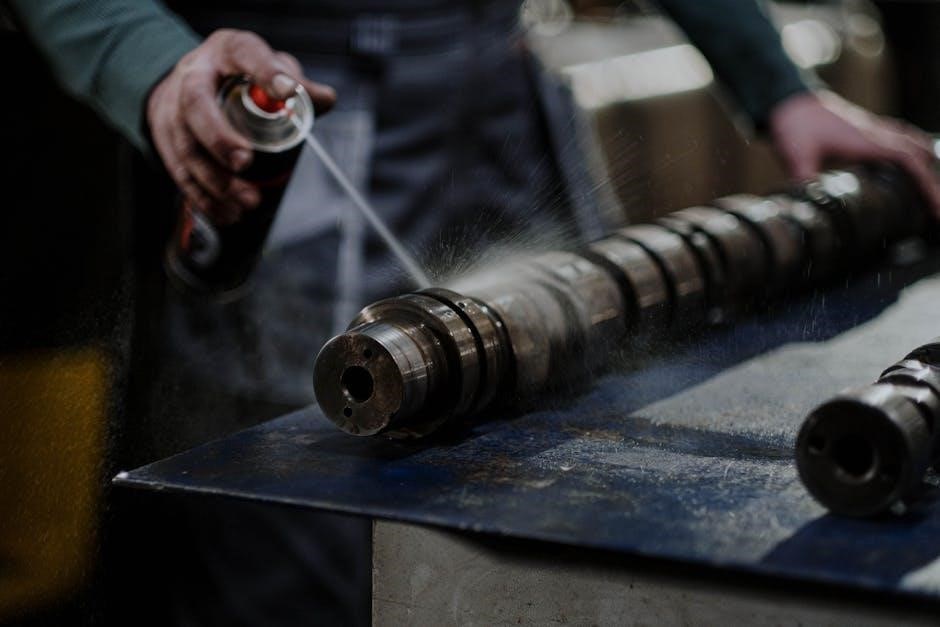

Can You Have Auto Start with a Manual Transmission? ⏤ Article Plan (12/17/2025 09:09:05)
The pairing of remote starters and manual transmissions is generally incompatible, stemming from safety features like the neutral safety switch and clutch pedal interaction.
The central inquiry revolves around the feasibility of adding remote start functionality to vehicles equipped with manual transmissions, a combination often deemed problematic and unsafe.
The Rising Popularity of Remote Starters
Remote starters have surged in popularity, driven by a desire for convenience and climate control, particularly in regions experiencing harsh weather conditions. This technology allows drivers to pre-heat or pre-cool their vehicles, enhancing comfort and reducing the time spent idling. The demand for remote start systems has steadily increased alongside advancements in automotive technology and a growing emphasis on vehicle comfort features. Modern systems offer extended range, smartphone integration, and sophisticated security features, further fueling their appeal. Consequently, many vehicle owners are now exploring options to add remote start to their existing cars, leading to the question of compatibility with various transmission types, including the increasingly rare manual transmission.
The Declining Prevalence of Manual Transmissions
Manual transmissions, once the standard, are experiencing a significant decline in market share, especially in North America. Modern automatic transmissions now rival manuals in efficiency and often surpass them in performance and refinement. This shift is driven by consumer preference for convenience and ease of use, as automatics require less driver involvement. The dwindling availability of manual options is evident in new car sales, where automatics dominate. Enthusiasts still appreciate the control and engagement offered by manuals, but their numbers are decreasing. This trend raises concerns about the future of manual transmissions and their compatibility with emerging automotive technologies like remote starters.
Addressing the Compatibility Concern
The core question revolves around whether a remote starter can function with a manual transmission vehicle, and the answer is complex. Generally, it’s not possible due to inherent safety mechanisms. Remote start systems require confirmation the vehicle is in Park or Neutral, a function easily handled by automatics. Manuals necessitate the clutch pedal being depressed for starting, a condition a remote starter cannot replicate. While some attempt workarounds, these often involve bypassing safety features, introducing significant risks. The incompatibility stems from preventing unintended vehicle movement during remote activation, a critical safety consideration.
Understanding Manual Transmissions
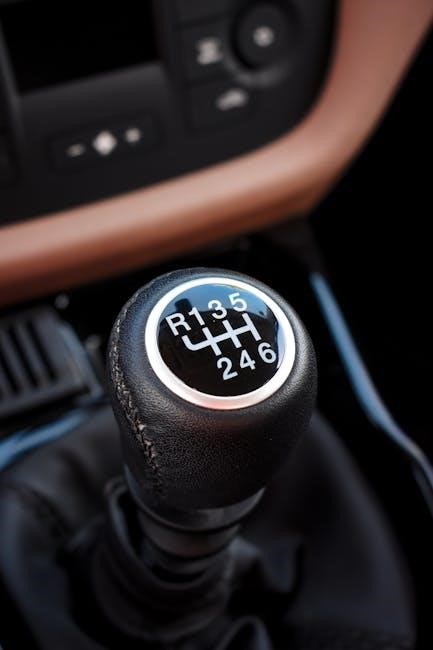
Manual transmissions, the original automotive standard, demand driver engagement with the clutch and gear selection, offering a direct connection to the vehicle’s power.
The Fundamentals of Manual Operation
Operating a manual transmission requires coordinated effort between the driver’s hands and feet. The clutch pedal disengages the engine from the transmission, allowing gear changes without damaging the components. Simultaneously, the gear stick selects the appropriate ratio for the desired speed and torque.
This process demands precise timing and skill, as improper clutch engagement can lead to stalling or jerky movements. Unlike automatic transmissions, manuals place the responsibility of gear selection entirely on the driver, offering a more involved and connected driving experience. The type of transmission significantly impacts the driving experience and driver requirements, as noted by CarMax.
Essentially, mastering a manual transmission is about understanding this interplay and developing the muscle memory to execute smooth and efficient gear changes.
Why Enthusiasts Prefer Manuals
Automotive aficionados often gravitate towards manual transmissions for the heightened sense of control and engagement they provide. Manuals offer a direct connection between the driver and the machine, fostering a more immersive and rewarding driving experience. This preference stems from a belief that manuals allow for greater precision and responsiveness, particularly in performance-oriented vehicles.
Many enthusiasts appreciate the skill required to operate a manual, viewing it as a testament to driving prowess. The historical significance of manuals as the original transmission type also contributes to their enduring appeal. Despite the rise of automatics, manuals retain a dedicated following, valuing the tactile feedback and driver involvement they offer.
The Historical Significance of Manual Transmissions
Manual transmissions represent the foundational technology of automotive drivetrains, predating the widespread adoption of automatic systems. For decades, they were the sole method of gear selection, shaping the very nature of driving. Early automobiles universally employed manual gearboxes, requiring drivers to master clutch control and shifting techniques.
This legacy has instilled a sense of authenticity and tradition among enthusiasts. Manuals were integral to the evolution of automotive engineering, and their continued existence, albeit dwindling, represents a connection to motoring’s past. They’ve held their own for a long time, and remain a symbol of driver skill and mechanical understanding.
How Remote Starters Function
Remote start systems utilize components like the starter and ignition, incorporating safety interlocks to prevent unintended operation and ensure vehicle security.
The Basic Components of a Remote Start System
A typical remote start system comprises several key components working in concert. The remote transmitter, held by the user, sends a signal to the receiver module installed within the vehicle. This module then communicates with the vehicle’s computer, initiating the start-up sequence. Crucially, a bypass module is included; it temporarily overrides the vehicle’s security system during remote start, re-engaging it once the process completes.
The system also relies heavily on the starter and ignition systems, activating them remotely. Modern systems often integrate smartphone control via an app, adding convenience and range. Finally, sophisticated safety interlocks are essential, preventing operation if the vehicle isn’t in Park or if the key isn’t present, safeguarding against accidental movement.
The Role of the Starter and Ignition System
The starter motor’s function is pivotal in any remote start scenario. Upon receiving the signal from the remote start module, the system energizes the starter, cranking the engine. Simultaneously, the ignition system—spark plugs, coils, and distributor (or its electronic equivalent)—is activated to ignite the air-fuel mixture. This coordinated action initiates combustion, bringing the engine to life without physical key insertion.
However, in a manual transmission vehicle, this process is complicated. The system must ensure the car is in neutral to prevent sudden, unintended movement during the remote start. The ignition system’s role remains consistent, but the starter’s activation is contingent on bypassing safety mechanisms designed for manual operation.
Safety Interlocks in Remote Start Systems
Remote start systems aren’t simply about convenience; they’re heavily reliant on safety interlocks. These mechanisms prevent the vehicle from starting under unsafe conditions. A crucial component is the neutral safety switch, designed to allow starting only when the transmission is in Park or Neutral. For automatic transmissions, this is straightforward. However, with a manual, confirming neutral remotely presents a significant challenge.
Modern systems also incorporate hood-open and door-ajar sensors, preventing starting if these are triggered. These interlocks are vital to avoid injury or damage. Bypassing these systems, particularly the neutral safety switch, to enable remote start on a manual transmission is inherently dangerous and often illegal.
The Incompatibility: Why It’s Generally Not Possible
The core issue lies with the neutral safety switch, requiring confirmation of Park or Neutral – a state difficult to verify remotely with a manual transmission.
The Neutral Safety Switch Requirement
Modern vehicles incorporate a crucial safety feature: the neutral safety switch. This switch prevents the engine from starting unless the transmission is definitively in Park or Neutral, safeguarding against unintended vehicle movement. With automatic transmissions, verifying this position is straightforward for a remote starter system. However, manual transmissions present a significant challenge.
Remote start systems rely on electronic signals to confirm the transmission’s state. A manual transmission lacks the definitive electronic signal of Park or Neutral found in automatics. Consequently, a standard remote start cannot reliably determine if the vehicle is safe to start, creating a potentially hazardous situation. Bypassing or modifying this switch is strongly discouraged due to safety and legal ramifications.
Preventing Unintended Vehicle Movement
The primary concern with attempting a remote start on a manual transmission vehicle revolves around preventing unintended movement. Unlike automatics, a manual transmission relies on the driver actively engaging the clutch and selecting a gear; Without this driver input, the vehicle could lurch forward or backward upon startup, posing a serious risk of collision or injury.
Remote start systems are designed with multiple safety interlocks, but these are predicated on the predictable behavior of an automatic transmission. A manual’s potential for unpredictable movement renders these safeguards insufficient. The inherent risk necessitates a system that definitively confirms the vehicle is in a safe, neutral state – a confirmation difficult to achieve reliably with a manual gearbox.
The Clutch Pedal’s Role in Starting
The clutch pedal is integral to the starting process of a manual transmission vehicle, disengaging the engine from the drivetrain. A standard remote start system doesn’t account for this crucial step; it simply signals the starter motor to engage. Attempting to bypass this requirement introduces significant danger, as the engine could crank while the transmission is engaged in a gear.
This scenario would inevitably lead to the vehicle moving, potentially causing damage or injury. The clutch pedal’s function isn’t merely about shifting gears; it’s a fundamental safety component ensuring controlled engine engagement. Any workaround attempting to circumvent the clutch’s role compromises this safety mechanism, making a reliable and safe remote start impossible.
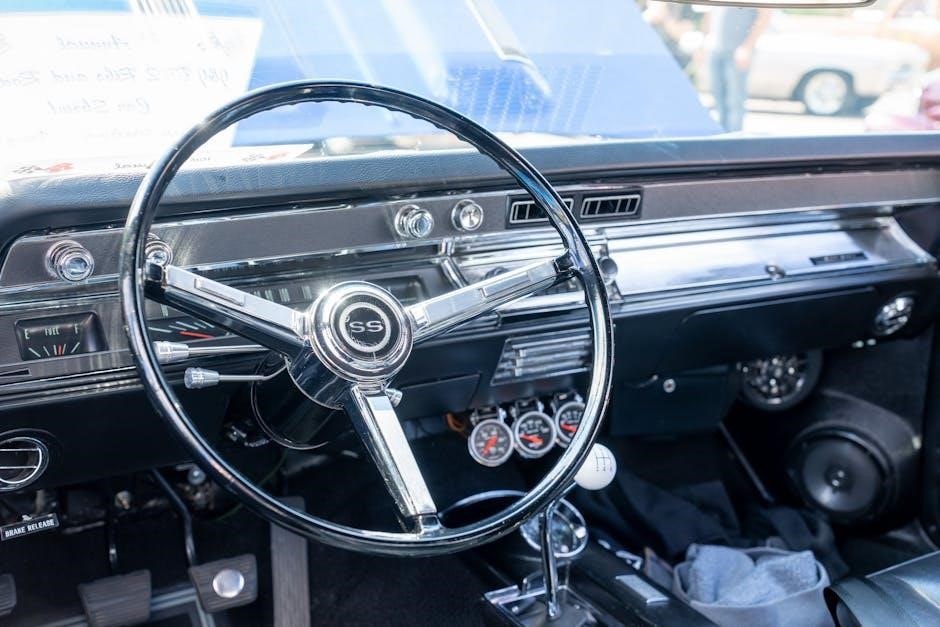
Potential Workarounds and Modifications (and their Risks)
Attempts to modify systems with clutch bypasses or altered safety switches are dangerous, potentially illegal, and carry substantial risks of transmission damage or vehicle malfunction.
Clutch Bypass Systems: A Dangerous Solution
Clutch bypass systems represent a particularly risky approach to enabling remote starts on manual transmission vehicles. These systems essentially trick the car into believing the clutch pedal is depressed, even when it isn’t. This circumvents a crucial safety feature designed to prevent unintended vehicle movement.
The inherent danger lies in the potential for the car to start in gear, leading to a runaway situation. Imagine the vehicle lurching forward or backward unexpectedly, causing property damage, injury, or even a catastrophic accident. Furthermore, such modifications often void warranties and may be illegal depending on local regulations. They introduce significant strain on the transmission components, accelerating wear and tear and potentially leading to costly repairs. It’s a shortcut with potentially devastating consequences, strongly discouraged by automotive professionals.
Modified Neutral Safety Switches: Legal and Safety Concerns
Attempting to modify the neutral safety switch to allow remote starting on a manual transmission vehicle presents substantial legal and safety hurdles. The neutral safety switch is a critical component, preventing the engine from starting unless the transmission is in Park or Neutral; Altering this switch to bypass the requirement for clutch engagement introduces a significant risk of unintended vehicle movement.
Legally, such modifications may violate vehicle safety standards and could result in failing inspection or facing penalties. More importantly, a compromised neutral safety switch dramatically increases the chance of the car starting in gear, leading to a dangerous runaway situation. This poses a severe threat to anyone nearby. Tampering with safety systems is rarely a sound solution and carries considerable risk.
The Risks of Damage to the Transmission
Even if a remote start system could be forced to function with a manual transmission, the potential for transmission damage is considerable. Repeated, unengaged starts place undue stress on internal components like the clutch disc, pressure plate, and throw-out bearing. These parts aren’t designed for the shock of engine engagement without the driver’s controlled input.
Furthermore, attempting a remote start while the transmission isn’t fully in neutral could lead to grinding gears and accelerated wear. Over time, this can result in costly repairs or even complete transmission failure. The inherent mechanics of a manual system demand driver interaction for safe and reliable operation; bypassing this introduces unacceptable risks to the drivetrain’s longevity.

Modern Automatic Transmissions vs. Manuals
Modern automatics now rival manuals in efficiency, offering refinement and convenience, contributing to the shift in market demand away from traditional manual gearboxes.
Efficiency and Performance of Modern Automatics
The evolution of automatic transmissions has been remarkable, dramatically closing the performance gap with their manual counterparts. Once considered less efficient, modern automatics, particularly those with eight, nine, or even ten speeds, now frequently exceed the fuel economy of manuals in real-world driving scenarios.
This improvement stems from sophisticated computer control, allowing for optimal gear selection and reduced parasitic losses. Furthermore, advancements in torque converter technology and the implementation of lock-up clutches contribute to enhanced efficiency. The speed and smoothness of gear changes in modern automatics also rival, and often surpass, the capabilities of even skilled manual drivers. This translates to quicker acceleration and a more responsive driving experience, diminishing the traditional performance advantage once held exclusively by manual transmissions.
Convenience and Refinement of Automatic Systems
Beyond performance gains, automatic transmissions offer a level of convenience and refinement largely absent in manual systems. The elimination of clutch pedal operation and gear shifting significantly reduces driver fatigue, particularly in stop-and-go traffic. This ease of use broadens the appeal of vehicles to a wider range of drivers, including those who may not be comfortable or proficient with a manual gearbox.
Modern automatics also contribute to a smoother, more refined driving experience, minimizing harshness during gear changes. Features like adaptive shift programs further enhance comfort by tailoring gear selection to driving conditions and driver preferences. This focus on refinement has cemented the automatic transmission’s dominance in the market, appealing to consumers prioritizing comfort and ease of operation.
The Shift in Market Demand
The automotive landscape has witnessed a dramatic shift in consumer preference, favoring automatic transmissions over manuals. Over the past three decades, the proportion of manual transmissions sold has steadily declined, particularly in North America. This trend isn’t due to a lack of inherent quality in manuals, but rather the advancements in automatic technology. Modern automatics now rival, and often surpass, manuals in both efficiency and performance.
This change in demand is driven by a desire for convenience and ease of use. As automatics become more sophisticated, offering features like paddle shifters and multiple driving modes, they cater to a broader audience. The dwindling availability of manual options reflects manufacturers responding to these evolving consumer needs and market forces.
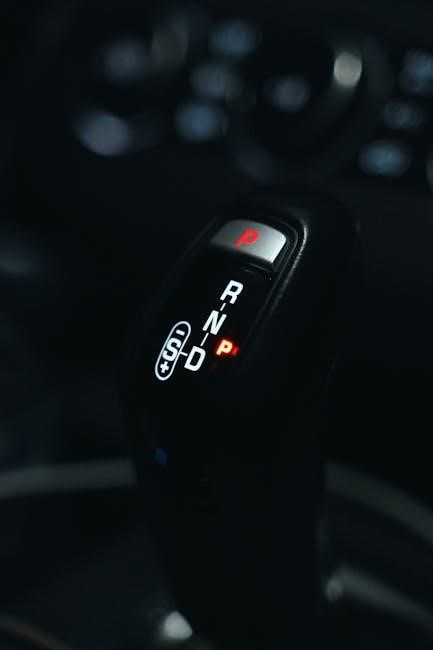
Manual Transmission Cars Still Available (2026 Outlook)
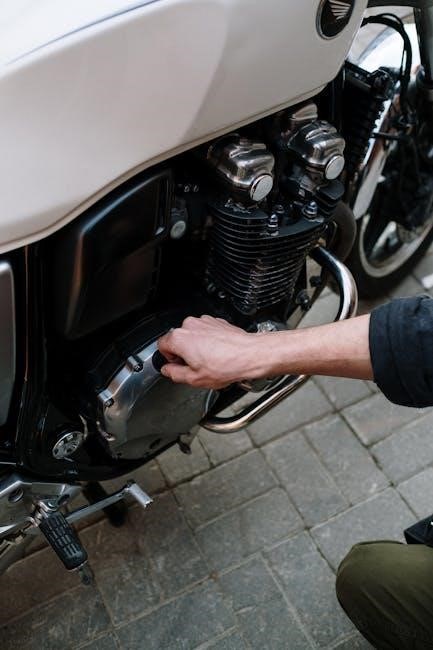
Despite the decline, select affordable commuters and high-end sports cars will continue offering manual transmissions in 2026, like the unique Koenigsegg CC850.
Affordable Commuter Options with Manuals
While dwindling, a few budget-friendly vehicles still cater to manual transmission enthusiasts seeking a connected driving experience. These options primarily focus on delivering practicality and fuel efficiency for daily commutes. Manufacturers recognize a small, dedicated customer base that prioritizes driver engagement over automated convenience, even in entry-level models.
Expect to find manual transmissions offered in base trims of compact cars and potentially some smaller sedans. These choices often represent the most accessible price point for a new vehicle with a stick shift. However, availability varies significantly by region and manufacturer, with North America seeing the most substantial reduction in manual options. The continued existence of these models demonstrates a commitment to offering choice, albeit limited, to those who prefer a traditional driving style.
High-End Sports Cars Offering Manual Transmissions
The realm of high-performance sports cars remains a stronghold for the manual transmission, appealing to drivers who crave ultimate control and a visceral connection to the machine. These vehicles often position the manual gearbox as a premium option, enhancing the driving experience for enthusiasts willing to pay extra. Manufacturers understand that a manual transmission aligns with the core values of performance and driver involvement.
Expect to find manual options in models from brands like Porsche, BMW, and Chevrolet, often alongside advanced automatic transmissions. These aren’t simply afterthoughts; they’re meticulously engineered to complement the car’s capabilities. The continued availability signals a dedication to preserving a driving tradition and catering to a discerning clientele who prioritize skill and engagement above all else.
Koenigsegg CC850: A Unique Hybrid Approach
Koenigsegg’s CC850 stands as a remarkable example of innovation, blending retro aesthetics with modern engineering. This limited-edition hypercar uniquely offers a selectable transmission – a traditional six-speed manual or an incredibly advanced nine-speed automatic. This isn’t simply a choice between convenience and engagement; it’s a sophisticated system allowing drivers to experience both worlds.
The CC850’s transmission utilizes a complex clutch-by-wire system and multi-ratio gear selection, effectively mimicking a manual feel even in automatic mode. While not directly addressing remote start compatibility, it demonstrates Koenigsegg’s willingness to push boundaries and cater to enthusiast desires. It’s a testament to the enduring appeal of manual control, even in the hypercar segment.
The Future of Manual Transmissions
Despite declining sales, manuals retain niche appeal within enthusiast communities, potentially evolving into hybrid or electric systems, though remote start remains a challenge.
The Continued Decline in Sales
The automotive landscape is shifting dramatically, and the trend reveals a consistent decline in manual transmission sales, particularly in North America. Modern automatic transmissions now offer comparable efficiency to manuals, coupled with the convenience and refinement drivers increasingly desire. This shift in market demand isn’t about manuals being bad; rather, automatics have simply become exceptionally good.
Enthusiasts lament this disappearance, recognizing the engaging driving experience manuals provide. However, the broader consumer base prioritizes ease of use, and the speed and reliability of modern automatics are hard to ignore. This trend suggests that while a dedicated following will remain, the overall availability of manual transmission vehicles will continue to dwindle, further complicating the possibility of seamless remote start integration.
Niche Appeal and Enthusiast Communities
Despite the overall decline, manual transmissions retain a dedicated niche appeal, fueled by passionate enthusiast communities. Automotive aficionados often believe a manual offers a more connected and engaging driving experience – the original transmission still holds a special place. This isn’t merely nostalgia; it’s a preference for driver control and a more visceral connection to the vehicle.
These communities actively seek out and preserve manual transmission cars, fostering a demand that, while small, keeps the option alive in certain models. This dedicated base appreciates the intricacies of manual operation and is willing to overlook the convenience of automatics, ensuring the tradition doesn’t entirely vanish, even if remote start compatibility remains a challenge.
Potential for Hybrid or Electric Manual Systems
The future might hold innovative solutions blending manual engagement with electric or hybrid powertrains. Koenigsegg’s CC850 demonstrates a unique approach, offering both traditional manual and automatic operation within a single vehicle – a glimpse into potential possibilities. Such systems could circumvent the traditional remote start incompatibility by utilizing software-controlled clutch mechanisms;
Electric vehicles, with their instant torque and single-speed transmissions, present another avenue. A simulated manual experience, coupled with a remote start function, could appeal to enthusiasts. While currently speculative, these advancements suggest a potential revival of manual control, even as conventional sales continue to decline, potentially resolving the auto-start issue.