

WAPF Shopping Guide: A Comprehensive Overview (Updated December 17, 2025)
The Weston A. Price Foundation’s annual Shopping Guide, released since 2004, uniquely rates foods based on nutrient density and minimal processing, aiding healthier choices.
What is the Weston A. Price Foundation (WAPF)?
The Weston A. Price Foundation (WAPF) is a non-profit organization founded in 1999, dedicated to promoting traditional foodways and challenging the standard American diet. Inspired by the research of Dr. Weston Price, a dentist who studied the diets and health of traditional cultures worldwide, the foundation advocates for nutrient-dense foods.
WAPF champions a return to ancestral eating patterns, emphasizing whole, unprocessed foods like raw dairy, grass-fed meats, and traditionally prepared grains and legumes. They actively publish resources, including the annual Shopping Guide, to help consumers identify healthier food options. The foundation also values ethnically-diverse culinary traditions and sustainable farming practices, believing these are crucial for optimal health and well-being.
The Core Principles of the WAPF Diet
The WAPF diet centers around consuming foods prepared in traditional ways, prioritizing nutrient density over calorie counting. Key principles include incorporating animal fats, especially from pasture-raised animals, recognizing their vital role in health. Traditional preparation methods like soaking and sprouting grains and legumes are emphasized to enhance digestibility and nutrient availability.
Fermented foods, such as sauerkraut and kombucha, are considered staples, promoting gut health. Avoiding processed foods, refined sugars, and vegetable oils is crucial. The WAPF also advocates for consuming raw dairy products when possible, believing pasteurization diminishes nutritional value. Ultimately, the diet aims to mimic the eating patterns of healthy, traditional cultures, as studied by Dr. Weston Price, and is reflected in their Shopping Guide.
Why Use the WAPF Shopping Guide?

The WAPF Shopping Guide stands alone as the only resource meticulously rating foods on their nutrient density and absence of damaging processing. In a market flooded with misleading labels and heavily processed options, the guide offers clarity and empowers informed consumer choices. It challenges the standard American diet, rich in low-nutrition, sugar-laden foods, providing a pathway to ancestral eating patterns.
This guide is invaluable for individuals seeking to improve their health through diet, supporting sustainable agriculture, and understanding the true nutritional value of their food. It’s a tool for navigating supermarkets and health food stores, identifying genuinely wholesome products, and benefiting from ancestral wisdom.

Understanding the WAPF Shopping Guide Methodology
The WAPF methodology prioritizes nutrient density, evaluating foods based on their vitamin and mineral content, and minimizing reliance on heavily processed items.
Nutrient Density as the Primary Metric
The Weston A. Price Foundation’s Shopping Guide fundamentally centers around the concept of nutrient density, a crucial factor often overlooked in conventional food assessments. This means products aren’t judged solely on calorie count or macronutrient ratios, but rather on the sheer abundance of vitamins, minerals, enzymes, and beneficial fats they deliver per serving.
Foods traditionally consumed by healthy, thriving cultures – those untouched by the modern processed food industry – serve as the benchmark. The guide actively seeks out and highlights items that closely resemble these ancestral staples. This focus acknowledges that a food’s nutritional profile is far more important than simply avoiding certain ingredients or adhering to restrictive diets. Prioritizing nutrient density ensures the body receives the building blocks it needs for optimal health and resilience, supporting vital functions and long-term well-being.
Rating System Explained
The WAPF Shopping Guide employs a unique rating system designed to quickly convey a product’s nutritional value and adherence to foundational principles. While specific details aren’t publicly detailed, the system generally favors products exhibiting high nutrient density and minimal processing. Products are assessed based on factors like sourcing, farming practices, and ingredient lists.
Items receiving higher ratings typically demonstrate qualities like grass-fed status for meats, raw or minimally processed dairy, and the absence of harmful additives or refined sugars. The guide doesn’t simply blacklist ingredients; it prioritizes whole, traditional foods. It’s important to note that the ratings aren’t absolute, but rather a comparative tool to help consumers make informed choices within the available marketplace.

Focus on Traditional Foods
The WAPF Shopping Guide fundamentally champions a return to traditional food preparation methods and dietary patterns. This emphasis stems from the belief that ancestral diets, rich in nutrient-dense whole foods, provided optimal health. The guide actively promotes foods prepared using techniques like soaking and sprouting grains and legumes, fermenting foods, and consuming animal fats.
It prioritizes foods historically consumed by various cultures before the advent of modern industrial food processing. This isn’t about rigidly replicating past diets, but rather learning from them. The guide encourages seeking out products made using time-honored methods, supporting producers who prioritize quality and tradition over convenience and mass production, ultimately fostering a more resilient food system.

Key Food Categories & Recommendations
The WAPF Shopping Guide meticulously evaluates dairy, meat, fats, grains, fruits, and vegetables, offering specific recommendations for optimal nutrient density and traditional sourcing.
Dairy Products: Raw vs. Pasteurized
The WAPF Shopping Guide strongly favors raw, full-fat dairy products from pasture-fed cows, citing superior nutrient profiles and enzyme content compared to pasteurized options. Pasteurization, while eliminating harmful bacteria, is believed to destroy beneficial enzymes and alter the structure of vital nutrients like calcium.
The guide highlights the traditional preparation of dairy, such as fermentation in cheeses and kefir, which further enhances digestibility and nutrient bioavailability. When raw dairy isn’t accessible, the guide suggests seeking out minimally processed, full-fat, and grass-fed pasteurized dairy as a second-best alternative, avoiding ultra-pasteurized varieties. Emphasis is placed on sourcing from farms employing traditional, sustainable practices, ensuring the health of both the animals and the resulting dairy products.
Meat & Poultry: Grass-Fed & Pasture-Raised
The WAPF Shopping Guide prioritizes meat and poultry from animals raised on pasture, emphasizing grass-fed and finished beef, lamb, and bison. This practice results in a significantly improved fatty acid profile, boasting higher levels of beneficial omega-3 fatty acids and conjugated linoleic acid (CLA) compared to grain-fed counterparts.
Pasture-raising also promotes animal welfare and contributes to healthier ecosystems. The guide advises seeking out labels verifying grass-fed status and, ideally, pasture-raised certification. Poultry should be similarly sourced, allowing birds to forage for insects and greens. Avoiding conventionally raised meat, often finished on grain and raised in confined conditions, is a key recommendation for maximizing nutrient density and health benefits.
Fats & Oils: Avoiding Processed Oils
The WAPF Shopping Guide strongly advocates for avoiding modern, highly processed vegetable oils like soybean, corn, canola, and cottonseed oil. These oils are deemed detrimental due to their high omega-6 fatty acid content and the harsh extraction processes they undergo. The guide champions traditional fats and oils, including saturated fats from animal sources, extra virgin olive oil, coconut oil, and avocado oil.
These fats provide essential nutrients and support optimal health. Prioritizing these options over processed oils is crucial for reducing inflammation and improving overall well-being. The guide emphasizes that traditional cultures thrived on diets rich in saturated fats and that their avoidance is a relatively recent phenomenon.
The Importance of Saturated Fats
The WAPF Shopping Guide challenges the conventional wisdom surrounding saturated fats, asserting their vital role in human health. Historically, traditional diets across various cultures were rich in saturated fats from animal sources like grass-fed meats, dairy, and coconut oil. These fats are crucial for hormone production, brain function, and the absorption of fat-soluble vitamins.
The guide highlights that saturated fats provide building blocks for cell membranes and support a healthy immune system. It argues that the demonization of saturated fats is largely based on flawed research and marketing interests. Choosing saturated fats from quality sources is a cornerstone of the WAPF dietary approach, promoting vibrant health and longevity.
Choosing Quality Olive Oil
The WAPF Shopping Guide emphasizes the importance of selecting high-quality olive oil, recognizing that not all olive oils are created equal. Many commercially available options are diluted with cheaper oils or improperly processed, diminishing their nutritional benefits. The guide recommends seeking extra virgin olive oil that is cold-pressed and ideally sourced from small, local producers.
Look for oils packaged in dark glass bottles to protect them from light exposure, which can cause rancidity. A peppery or slightly bitter taste indicates the presence of beneficial compounds like polyphenols. The Shopping Guide advises avoiding refined olive oils, as they lack the nutrients and flavor of truly extra virgin varieties, prioritizing authentic, flavorful options.
Grains & Legumes: Soaking & Sprouting
The WAPF Shopping Guide highlights the traditional practices of soaking and sprouting grains and legumes to enhance their nutritional value and digestibility. These processes neutralize enzyme inhibitors, like phytic acid, which can hinder nutrient absorption. Soaking involves submerging grains or legumes in water for a specified period, typically overnight, before cooking.
Sprouting takes this further, encouraging germination to unlock even more nutrients. The Shopping Guide recommends prioritizing traditionally prepared grains and legumes, as modern processing often removes the nutrient-rich germ and bran. Embracing these techniques maximizes the benefits of these food groups, aligning with ancestral dietary wisdom.
Fruits & Vegetables: Seasonal & Local
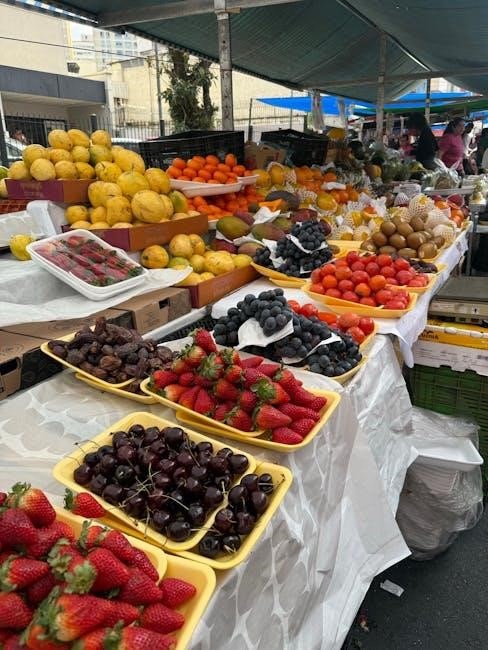
The WAPF Shopping Guide strongly advocates for consuming fruits and vegetables that are in season and locally sourced whenever possible. This practice ensures peak nutrient density, as produce harvested at its ripeness contains the highest levels of vitamins and minerals. Locally grown options also minimize transportation time, preserving freshness and reducing environmental impact.
The Guide emphasizes that fruits and vegetables grown close to home are more likely to be free from excessive pesticides and artificial fertilizers. Prioritizing seasonal eating connects individuals to the natural rhythms of food production, mirroring traditional dietary patterns and promoting optimal health benefits.
Navigating the Shopping Guide – Specific Product Types
The WAPF Shopping Guide details ratings for specific product types, including fermented foods, seafood, sweeteners, and beverages, assisting informed, nutrient-dense purchasing decisions.
Fermented Foods: A WAPF Staple

The Weston A. Price Foundation deeply values traditionally prepared fermented foods, recognizing their crucial role in optimal health and nutrient bioavailability. These foods, like sauerkraut, kimchi, kefir, and kombucha, are considered staples within the WAPF dietary framework. Fermentation unlocks nutrients, making them more easily digestible and absorbable by the body.
The Shopping Guide highlights the importance of seeking traditionally fermented products, avoiding those utilizing vinegar or pasteurization, as these processes diminish the beneficial probiotic content. Properly fermented foods contribute significantly to gut health, bolstering the immune system and enhancing overall well-being. The guide assists consumers in identifying genuinely fermented options amidst commercially produced alternatives, ensuring they receive the full spectrum of health benefits associated with these ancient food preservation techniques.
Seafood: Wild-Caught vs. Farmed
The WAPF Shopping Guide strongly advocates for prioritizing wild-caught seafood over farmed varieties, due to significant nutritional differences. Wild fish accumulate higher levels of omega-3 fatty acids, essential for brain health and reducing inflammation, reflecting their natural diet. Farmed fish often have altered fatty acid profiles and may contain residues from feed and antibiotics.
The guide encourages consumers to seek seafood from sustainable sources, recognizing the importance of ocean health. It acknowledges that while not always accessible or affordable, wild-caught fish represent the superior nutritional choice. When farmed seafood is the only option, the Shopping Guide suggests seeking out smaller, responsibly raised operations that prioritize quality and minimize harmful practices, offering a compromise for health-conscious individuals.

Sweeteners: Natural Alternatives
The WAPF Shopping Guide advises against refined sugars and artificial sweeteners, advocating for traditional, unrefined sweeteners used by our ancestors. These include raw honey, maple syrup, and molasses, which retain beneficial enzymes and minerals lost during processing. The guide emphasizes moderation even with natural sweeteners, recognizing that all sugars impact blood glucose levels.
It cautions against the widespread use of high-fructose corn syrup and other processed sugars prevalent in modern diets. The Shopping Guide highlights the importance of sourcing sweeteners from reputable producers who prioritize quality and avoid harmful additives. While acknowledging that occasional treats are permissible, it promotes a focus on whole, unprocessed foods as the foundation of a healthy diet, minimizing the need for added sweetness.
Beverages: Avoiding Sugary Drinks
The WAPF Shopping Guide strongly discourages the consumption of sugary drinks, including sodas, fruit juices (even 100% juice), and sweetened teas. These beverages contribute to nutrient deficiencies, metabolic imbalances, and various health problems. The guide champions traditional beverages like water, naturally fermented drinks like kombucha and kefir (unsweetened), and herbal infusions.
It emphasizes the importance of prioritizing hydration with pure, filtered water throughout the day. The Shopping Guide also suggests bone broth as a nourishing beverage option, rich in minerals and collagen. Avoiding artificially sweetened beverages is equally crucial, as these can disrupt gut health and metabolic processes. Choosing whole, unprocessed beverages supports overall well-being and aligns with the WAPF’s principles.
Benefits of Following the WAPF Shopping Guide
The WAPF Shopping Guide adoption may offer health benefits, supporting ancestral wisdom for modern diets and improving nutrient intake for individuals.
Improved Nutrient Intake
The WAPF Shopping Guide prioritizes foods brimming with essential vitamins, minerals, and beneficial fats – nutrients often lacking in the standard American diet. By steering consumers towards traditionally prepared, whole foods, the guide actively encourages a significantly denser nutritional profile in everyday meals. This focus directly combats the prevalence of processed foods, which frequently offer empty calories and minimal nutritional value.
Choosing products highlighted in the guide means consciously selecting options rich in bioavailable nutrients, meaning the body can readily absorb and utilize them. This isn’t simply about quantity, but quality; prioritizing foods that deliver a substantial nutritional punch with each serving, ultimately supporting optimal health and well-being through superior dietary choices.
Potential Health Benefits
Adopting the WAPF dietary principles, as guided by their Shopping Guide, may unlock a range of positive health outcomes, though individual experiences will naturally vary. The emphasis on nutrient-dense foods and traditional preparation methods aims to support the body’s natural healing processes and bolster overall resilience. Many proponents report improvements in digestive health, increased energy levels, and enhanced immune function.
Furthermore, the guide’s focus on healthy fats and avoidance of processed ingredients may contribute to improved cardiovascular health and reduced inflammation. While not a guaranteed cure-all, embracing the WAPF approach offers a pathway towards a more vibrant and healthful lifestyle, rooted in ancestral wisdom and informed food choices.
Supporting Sustainable Agriculture
The WAPF Shopping Guide actively encourages consumers to support farming practices that prioritize ecological health and animal welfare. By favoring products from grass-fed, pasture-raised, and locally sourced operations, individuals contribute to a more sustainable food system. This conscious purchasing power incentivizes farmers to adopt regenerative agriculture techniques, which enhance soil fertility, biodiversity, and carbon sequestration.
Choosing products highlighted in the guide often means supporting smaller-scale farms committed to traditional methods, fostering rural communities, and preserving heritage breeds. Ultimately, following the WAPF recommendations isn’t just about personal health; it’s about investing in a future where food production harmonizes with the environment.
Limitations & Considerations
WAPF recommendations can present accessibility and cost challenges, and aren’t universally applicable; individual needs and circumstances should always guide dietary choices.
Accessibility & Cost
A significant hurdle in fully embracing the WAPF Shopping Guide lies in the accessibility of recommended products. Truly pasture-raised meats, raw dairy, and wild-caught seafood often command higher prices and aren’t readily available in all locations, particularly mainstream supermarkets. This financial barrier can exclude individuals and families with limited budgets.
Furthermore, even when available, these foods may require travel to specialty stores or farmers’ markets, adding to the time and expense. The guide acknowledges this, suggesting compromise products for those facing these constraints, recognizing that some level of benefit is better than none. Prioritizing key nutrient-dense foods within budgetary limitations is a practical approach for many.
Not a One-Size-Fits-All Approach
The WAPF Shopping Guide provides valuable recommendations, but it’s crucial to understand it isn’t a rigid dietary prescription. Individual needs, health conditions, and ancestral backgrounds vary significantly. What constitutes optimal nutrition for one person may differ for another.
The foundation emphasizes ancestral wisdom, but acknowledges that modern lifestyles and food availability necessitate flexibility. Strict adherence may be impractical or undesirable for some. The guide should be viewed as a framework for informed decision-making, encouraging individuals to adapt principles to their unique circumstances. Listening to one’s body and working with qualified healthcare professionals are essential components of a personalized approach.
Resources & Further Information
The Weston A. Price Foundation offers the quarterly Wise Traditions journal and an annual Shopping Guide listing products made according to their standards.
Wise Traditions Journal
The Wise Traditions journal, published quarterly by the Weston A. Price Foundation, delves deeply into the realms of food, farming, and the healing arts, offering a wealth of knowledge for those seeking a more traditional and nutrient-dense approach to health. Each issue is packed with meticulously researched articles exploring ancestral diets, sustainable agriculture practices, and the vital connection between food quality and well-being.
Subscribers gain access to insightful explorations of traditional food preparation techniques – like soaking and sprouting grains – alongside investigations into the detrimental effects of modern food processing. The journal frequently features interviews with leading experts in holistic nutrition and traditional medicine, providing a diverse range of perspectives. It’s a crucial resource for understanding the principles underpinning the WAPF Shopping Guide and implementing them effectively in daily life, fostering a deeper connection to real food and its profound impact on health.
WAPF Website & Local Chapters
The Weston A. Price Foundation’s website (westonaprice.org) serves as a central hub for information regarding traditional foods, nutrient-dense diets, and the philosophy behind the Shopping Guide. It provides access to a vast library of articles, recipes, and resources, empowering individuals to make informed food choices and embrace ancestral eating patterns. Beyond the online resources, the WAPF boasts a network of local chapters across the country and internationally.
These chapters offer invaluable opportunities for community building, educational events, and local sourcing of high-quality foods. Connecting with a local chapter allows individuals to share knowledge, participate in workshops, and support farmers committed to traditional practices – directly complementing the guidance provided within the annual Shopping Guide. It’s a fantastic way to translate principles into practical action and foster a thriving local food system.