

Understanding Cabin Fever in Parents
Cabin fever‚ impacting parents significantly‚ manifests as anxiety‚ restlessness‚ loneliness‚ and even depression during prolonged confinement. Recognizing these symptoms is crucial for well-being.
Increased stress from parenthood‚ coupled with isolation and limited outdoor access‚ exacerbates these feelings‚ demanding proactive coping strategies for both parents and children.
Creating personal space and employing effective communication are vital for managing family dynamics when stuck indoors‚ alongside seeking support when needed.
What is Cabin Fever?
Cabin fever isn’t a clinical diagnosis‚ but rather a descriptive term for the collection of negative psychological and physiological effects stemming from prolonged isolation or confinement. It’s a common experience‚ particularly relevant for parents navigating extended periods indoors due to inclement weather‚ illness‚ or global events.

The sensation arises from a disruption to normal routines and a lack of stimulating environments. Common symptoms include heightened anxiety‚ a pervasive sense of restlessness‚ and feelings of loneliness or even depression. Individuals experiencing cabin fever may also report a noticeable lack of energy or motivation‚ alongside increased irritability and impatience.
Essentially‚ it’s the mind and body’s reaction to being restricted‚ leading to a desire for open spaces and social interaction. For parents‚ this can be compounded by the added pressures of childcare and household responsibilities‚ making recognition and proactive management essential for maintaining family harmony.
Recognizing the Symptoms in Yourself
Parents often prioritize their children’s needs‚ inadvertently neglecting their own well-being. Recognizing cabin fever symptoms within yourself is the first step towards effective management. Begin by honestly assessing your emotional state – are you feeling unusually anxious‚ irritable‚ or down? A persistent sense of restlessness‚ an inability to relax‚ or difficulty concentrating are key indicators.
Pay attention to changes in your behavior. Are you finding yourself snapping at loved ones more frequently? Do you lack motivation for activities you usually enjoy? Increased fatigue‚ even after adequate sleep‚ can also signal the onset of cabin fever. A tendency to excessively check the news or dwell on negative thoughts is another common symptom.
Self-awareness is crucial. Acknowledging these feelings allows you to proactively implement coping strategies and prevent the situation from escalating‚ benefiting both your mental health and your family’s dynamic.
Symptoms in Children: What to Look For
Children experience cabin fever differently than adults‚ often expressing their distress through behavioral changes. Increased irritability‚ tantrums‚ and difficulty following rules are common indicators. Look for heightened emotional sensitivity – your child may seem more easily upset or tearful than usual.
A decline in engagement with previously enjoyed activities‚ such as playing or reading‚ can also signal a problem. Restlessness and an inability to settle down‚ coupled with frequent complaints of boredom‚ are frequently observed. Some children may exhibit clinginess or increased anxiety about being separated from parents.
Physical symptoms like headaches or stomachaches‚ without a clear medical cause‚ can sometimes be linked to emotional distress. Recognizing these signs allows parents to offer support and implement strategies to alleviate their child’s discomfort.
Causes and Contributing Factors
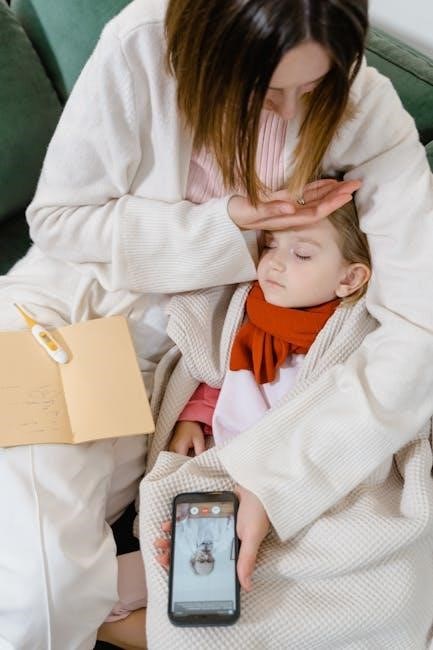
Prolonged isolation‚ adverse weather‚ and increased parental stress significantly contribute to cabin fever. Confinement intensifies feelings of restlessness and impacts overall family well-being.
The nearness of others during isolation can heighten these sensations‚ especially for parents juggling responsibilities and personal needs within limited spaces.
Prolonged Isolation and its Impact
Prolonged isolation is a core driver of cabin fever‚ particularly challenging for parents. The consistent lack of external stimulation and social interaction disrupts routines and fosters feelings of loneliness and anxiety. This extended confinement can lead to a decline in motivation and energy levels‚ making everyday tasks feel overwhelming.
For parents‚ the impact is compounded by the constant demands of childcare and household management. The inability to escape these responsibilities‚ even briefly‚ can intensify feelings of being trapped and contribute to increased stress. The absence of regular breaks or opportunities for personal rejuvenation exacerbates these negative emotions.
Furthermore‚ isolation can disrupt natural rhythms and lead to sleep disturbances‚ further impacting mood and cognitive function. It’s crucial to acknowledge that prolonged isolation isn’t simply a matter of boredom; it’s a significant stressor with tangible psychological consequences‚ especially when combined with the pressures of parenthood.
Weather Conditions and Limited Outdoor Access
Adverse weather conditions frequently exacerbate cabin fever‚ directly restricting parents’ and children’s access to the outdoors. When venturing outside isn’t feasible due to rain‚ snow‚ extreme cold‚ or heat‚ feelings of confinement intensify significantly. This lack of exposure to fresh air and natural sunlight can negatively impact mood and vitamin D levels‚ contributing to lethargy and irritability.
For parents‚ limited outdoor access complicates the challenge of keeping children entertained and physically active. The inability to utilize parks‚ playgrounds‚ or even simply take a walk can lead to pent-up energy and increased behavioral issues. Finding alternative indoor activities becomes paramount‚ but can be draining for already stressed caregivers.
The cyclical nature of bad weather can also create a sense of hopelessness‚ reinforcing feelings of being trapped. Proactively planning indoor alternatives and focusing on the benefits of cozy indoor time can help mitigate the negative effects of restricted outdoor access.
Increased Stress Levels in Parenthood
Parenthood inherently involves significant stress‚ and prolonged confinement dramatically amplifies these pressures‚ contributing directly to cabin fever. The constant demands of childcare‚ coupled with potential work-from-home responsibilities‚ leave parents feeling overwhelmed and depleted. Limited personal time and a lack of respite exacerbate feelings of anxiety and frustration.
When families are confined together‚ existing stressors can intensify as personal boundaries blur and opportunities for individual relaxation diminish. The need to simultaneously be a parent‚ employee‚ and household manager creates an unsustainable workload‚ increasing irritability and emotional exhaustion.
Furthermore‚ the uncertainty surrounding current events and the disruption of routines contribute to heightened stress levels. Recognizing and addressing these stressors is crucial for maintaining parental well-being and preventing cabin fever from taking hold.
Coping Strategies for Parents
Prioritizing self-care‚ establishing daily routines‚ engaging in physical activity‚ and practicing mindfulness are essential for parents navigating cabin fever and maintaining well-being.
Prioritizing Self-Care During Confinement
Self-care isn’t selfish; it’s fundamental for parents battling cabin fever. Creating “YOU time” in a designated space is paramount‚ even if it’s just for a few minutes daily.

Simple activities like taking walks – if safe – can significantly improve mood and reduce feelings of isolation. Limiting news consumption is also vital‚ as constant exposure to negative information can heighten anxiety.
Focusing on the five senses – sight‚ sound‚ smell‚ taste‚ and touch – can ground you in the present moment and offer a welcome distraction. Engage in activities you enjoy‚ whether it’s reading‚ listening to music‚ or taking a relaxing bath.
Remember‚ a recharged parent is a better parent. Don’t hesitate to utilize HP Support Assistant for tech-related stress‚ freeing up mental space for personal well-being. Prioritizing your needs allows you to better navigate the challenges of confinement and support your family.
Creating a Daily Routine and Structure
Establishing a predictable daily routine is crucial when facing cabin fever with family. Structure provides a sense of normalcy and control during uncertain times‚ benefiting both parents and children.
Schedule specific times for waking up‚ meals‚ work or schoolwork‚ playtime‚ and bedtime. Incorporate regular breaks throughout the day to prevent burnout and maintain energy levels.
Even simple routines‚ like a morning walk or an evening story time‚ can make a significant difference. This structure helps minimize feelings of restlessness and provides a framework for managing the day.
Remember to be flexible and adjust the routine as needed‚ but maintaining a consistent core schedule is key. Utilizing HP support resources efficiently can also free up time within your routine. A well-defined schedule reduces stress and fosters a more harmonious home environment.
The Importance of Physical Activity
Combating cabin fever necessitates prioritizing physical activity for the entire family. Movement releases endorphins‚ natural mood boosters that alleviate anxiety and improve overall well-being‚ crucial for stressed parents.
Even limited space doesn’t preclude exercise; indoor games‚ dance parties‚ or simple stretching routines can be incredibly effective; A “1 Mile Walking” challenge‚ if feasible and safe‚ offers a change of scenery.
Encourage children to participate in active play‚ and lead by example. Regular physical activity improves sleep quality‚ reduces irritability‚ and enhances focus.

If outdoor access is restricted‚ explore online fitness resources or create an indoor obstacle course. Remember‚ even short bursts of activity throughout the day can significantly impact mood and energy levels. Don’t let tech issues hinder this – utilize HP Support Assistant for quick resolutions!
Mindfulness and Relaxation Techniques
During periods of confinement‚ parents often experience heightened stress; Integrating mindfulness and relaxation techniques is vital for maintaining emotional equilibrium and combating cabin fever. Focusing on the five senses – sight‚ sound‚ smell‚ taste‚ and touch – can ground you in the present moment‚ reducing anxiety.
Simple deep breathing exercises‚ meditation‚ or progressive muscle relaxation can calm the nervous system. Schedule dedicated “YOU time” in a peaceful space‚ even if it’s just for a few minutes each day.
Limit constant news consumption‚ as it can amplify feelings of worry and overwhelm. Explore guided meditation apps or online resources. Remember‚ self-care isn’t selfish; it’s essential for effective parenting. If tech issues arise‚ HP Support resources are readily available.

Activities to Combat Cabin Fever with Kids
Engage children with indoor games‚ creative play‚ educational activities‚ and family movie nights to alleviate cabin fever. Virtual field trips and online resources offer enriching experiences.
Balancing indoor fun with safe outdoor ventures‚ like park visits‚ is crucial for maintaining family well-being during confinement.
Indoor Games and Creative Play
Indoor games and creative play are essential tools for battling cabin fever with children. Transform your living space into an imaginative world with building blocks‚ fort construction‚ or a captivating scavenger hunt. Classic board games and card games provide structured fun‚ fostering strategic thinking and family bonding.
Encourage artistic expression through drawing‚ painting‚ coloring‚ or crafting with readily available materials. Storytelling sessions‚ where children create their own narratives‚ stimulate imagination and language skills. Role-playing games allow kids to explore different scenarios and develop social-emotional intelligence.
Simple activities like charades or “Simon Says” can generate laughter and energy. Don’t underestimate the power of a good dance party! These playful interactions not only combat boredom but also strengthen family connections and create lasting memories during periods of confinement. Remember to embrace the mess and enjoy the process!
Educational Activities and Learning Opportunities
Turn cabin fever into a chance for enriching learning opportunities! Utilize virtual field trips to explore museums‚ zoos‚ and historical sites from the comfort of your home‚ broadening horizons without leaving the house. Online educational resources offer a wealth of interactive games and lessons across various subjects‚ catering to different age groups and interests.
Engage children in reading sessions‚ encouraging them to explore new genres and authors. Hands-on science experiments‚ using household items‚ can spark curiosity and foster a love for STEM. Introduce coding basics through age-appropriate apps or websites‚ developing problem-solving skills.
Creative writing prompts‚ like journaling or story starters‚ can enhance literacy skills. Consider learning a new language together as a family. These activities provide mental stimulation‚ prevent boredom‚ and ensure continued learning during periods of confinement‚ transforming cabin fever into a productive experience.
Family Movie Nights and Storytelling
Combat cabin fever with the timeless joys of family movie nights! Select films that appeal to all ages‚ creating a cozy atmosphere with blankets and snacks. Discuss the movie afterward‚ encouraging critical thinking and shared perspectives. This fosters bonding and provides a welcome distraction from confinement.
Revive the art of storytelling. Encourage each family member to create and share their own tales‚ sparking imagination and creativity. Alternatively‚ read aloud from favorite books‚ taking turns with character voices. This strengthens literacy skills and creates lasting memories.
Consider themed nights – a pirate movie followed by pirate-themed stories‚ for example. Improv storytelling games‚ where each person adds a sentence‚ can lead to hilarious results. These activities offer a screen-free alternative‚ promoting connection and imaginative play during challenging times.
Virtual Field Trips and Online Resources
Break the monotony of confinement with exciting virtual field trips! Numerous museums‚ zoos‚ and national parks offer immersive online experiences‚ bringing the world into your living room. Explore ancient civilizations‚ observe wildlife‚ or wander through art galleries – all from the comfort of home.
Leverage the wealth of online resources available for educational entertainment. Websites offer interactive games‚ educational videos‚ and virtual tours tailored to various age groups. HP’s support resources can also assist with tech-related issues encountered during these online adventures.
Utilize platforms offering live streams of animal habitats or guided tours led by experts. These experiences provide stimulating learning opportunities and a sense of connection to the outside world‚ effectively combating cabin fever and fostering curiosity.

Managing Family Dynamics
Confined spaces can strain relationships; setting boundaries and personal space is key. Effective communication and conflict resolution techniques are vital for harmonious coexistence.
Families navigating isolation may find increased tension‚ requiring patience and understanding to maintain positive interactions and minimize friction during this challenging time.
Setting Boundaries and Personal Space
During prolonged confinement‚ the lack of personal space can significantly contribute to heightened stress and irritability within a family. Establishing clear boundaries‚ even within the home‚ is paramount for maintaining individual well-being and fostering a more peaceful environment.
This doesn’t necessarily require dedicated rooms; it can be as simple as designating specific times for individual activities or creating cozy corners where family members can retreat for quiet moments.
Communicate these boundaries openly with all family members‚ ensuring everyone understands and respects each other’s need for solitude. For parents‚ carving out even 15-20 minutes of uninterrupted “me time” can be incredibly restorative.
Encourage children to respect these boundaries as well‚ teaching them the importance of personal space and quiet time. A visual schedule can be helpful for younger children to understand when it’s “mommy’s quiet time” or “daddy’s work time.” Remember‚ respecting each other’s space isn’t selfish; it’s essential for a healthy family dynamic.
Effective Communication Strategies
When families are confined together‚ communication can easily become strained‚ leading to misunderstandings and conflict. Implementing effective communication strategies is crucial for navigating these challenges and maintaining positive relationships during periods of isolation.
Active listening is key – truly hearing what each family member is saying without interruption or judgment. Encourage open and honest expression of feelings‚ creating a safe space for everyone to share their anxieties and frustrations.
Regular family check-ins can provide a dedicated time to discuss concerns and address any issues that may be brewing. Use “I” statements to express your feelings without blaming others (“I feel overwhelmed when…‚” rather than “You always…”).
Remember that non-verbal cues are also important; pay attention to body language and tone of voice. Practicing empathy and validating each other’s emotions can significantly reduce tension and foster a stronger sense of connection.
Conflict Resolution Techniques for Families
Cabin fever can amplify existing family tensions‚ making conflicts more frequent and intense. Proactive conflict resolution techniques are essential for maintaining harmony during prolonged confinement. Acknowledge that disagreements are normal‚ and focus on finding solutions rather than assigning blame.
Encourage compromise and negotiation‚ where each family member is willing to give a little to reach a mutually acceptable outcome. Teach children (and practice yourself!) to express their needs respectfully and listen to opposing viewpoints.
Implement a “cooling-off” period when emotions run high. Taking a break allows everyone to calm down and approach the situation with a clearer head. Focus on the specific issue at hand‚ avoiding generalizations or bringing up past grievances.
Remember to validate each other’s feelings‚ even if you don’t agree with their perspective. Seeking collaborative solutions fosters a sense of teamwork and strengthens family bonds.

Seeking Additional Support
When cabin fever overwhelms‚ don’t hesitate to consult a mental health professional or join online support groups for shared experiences and guidance.
HP Support Assistant offers tech help‚ reducing digital stress‚ while extended warranties and 24/7 support address device-related anxieties effectively.
When to Consult a Mental Health Professional
Recognizing the need for professional help is a sign of strength‚ not weakness‚ especially when navigating the challenges of cabin fever as a parent. If feelings of anxiety‚ depression‚ or hopelessness become persistent and interfere with daily functioning‚ seeking guidance is crucial.
Specifically‚ if you experience significant changes in sleep or appetite‚ difficulty concentrating‚ increased irritability‚ or thoughts of harming yourself or others‚ immediate professional intervention is recommended. These symptoms suggest that cabin fever has escalated into a more serious mental health concern.
A mental health professional can provide a proper diagnosis‚ offer therapeutic interventions like cognitive-behavioral therapy (CBT)‚ and‚ if necessary‚ recommend medication to manage symptoms effectively. Remember‚ prioritizing your mental well-being is essential not only for yourself but also for your children‚ as your emotional state significantly impacts the entire family dynamic. Don’t hesitate to reach out for support when you need it; your mental health matters.
Utilizing Online Support Groups and Communities
Connecting with others experiencing similar challenges can be incredibly validating and empowering‚ particularly when dealing with cabin fever as a parent. Online support groups and communities offer a safe space to share experiences‚ exchange coping strategies‚ and receive emotional support from peers who understand what you’re going through.
Numerous platforms host these communities‚ ranging from general parenting forums to groups specifically focused on mental health and well-being during times of isolation. These virtual spaces provide a sense of belonging and reduce feelings of loneliness‚ which are common symptoms of cabin fever.
Sharing your struggles and learning from others’ successes can offer fresh perspectives and practical solutions. Remember to choose reputable communities with moderation to ensure a positive and supportive environment. Utilizing these resources can be a valuable supplement to self-care practices and professional help when needed‚ fostering resilience and promoting mental wellness.
HP Support Resources for Tech-Related Stress
During periods of confinement‚ reliance on technology for work‚ education‚ and entertainment increases‚ potentially leading to tech-related stress. Malfunctioning devices‚ software issues‚ or simply navigating complex systems can add to the anxieties already heightened by cabin fever‚ especially for parents juggling multiple responsibilities.
HP offers a comprehensive suite of support resources designed to alleviate these frustrations. HP Support Assistant proactively monitors your computer’s health‚ provides troubleshooting tools‚ and facilitates driver updates‚ minimizing technical glitches.
Furthermore‚ HP’s website provides access to diagnostic tools‚ warranty information‚ and 24/7 technical and software support. HP Smart Support offers a streamlined experience for issue resolution. Utilizing these resources can free up mental bandwidth‚ allowing parents to focus on self-care and family well-being during challenging times‚ reducing a significant source of stress.